
Ice Dam Prevention: Securing Your Maryland Exterior Envelope Before the Freeze
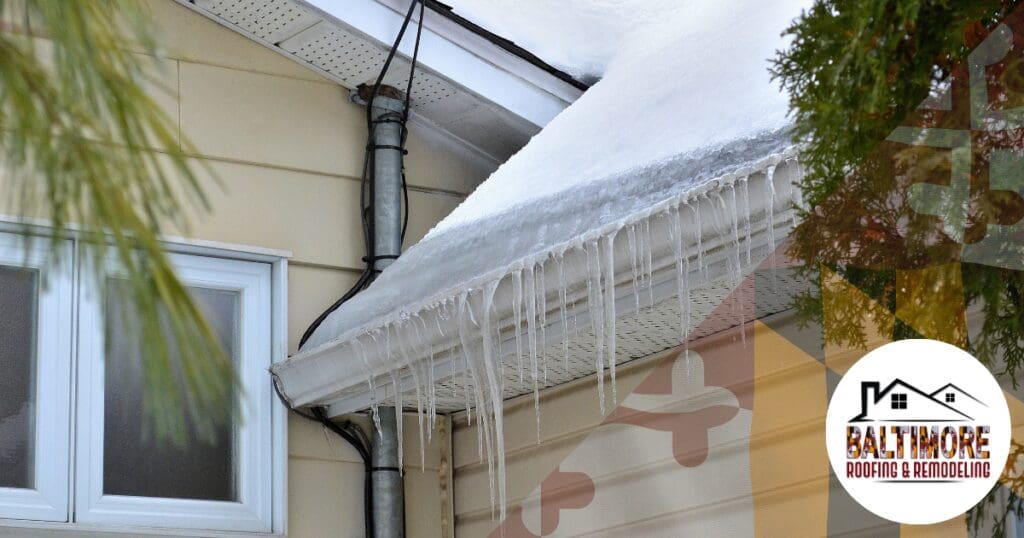
As October temperatures steadily drop across the Mid-Atlantic, property owners face a rapidly closing window to address invisible structural vulnerabilities. Consequently, waiting for the first major winter storm to evaluate your roofing system constitutes a severe financial miscalculation. When snow accumulates and temperatures plummet, microscopic weaknesses in your roof rapidly escalate into catastrophic failures. At the center of these winter disasters is the formation of ice dams—a complex thermodynamic failure that forces freezing water directly into your home’s structural framing. Because our diagnostic teams at Baltimore Roofing & Remodeling have inspected, fortified, and restored urban and suburban envelopes since 1885, we understand that reactive winter patching is a futile exercise. Effective ice dam prevention requires rigorous, proactive structural engineering applied during the fall months, long before the first freeze-thaw cycle initiates.



The Anatomy of Ice Dam Prevention: Quick Summary
- The Thermodynamic Trigger: Ice dams form when escaping interior heat melts roof snow, which then trickles down and refreezes at the unheated eaves.
- The Hydrostatic Threat: The resulting wall of solid ice traps subsequent snowmelt, forcing heavy pools of standing water to back up underneath the asphalt shingles.
- The Structural Compromise: Transient water bypasses surface roofing materials, saturating wood decking, rotting joist pockets, and destroying interior ceiling drywall.
- The Proactive Solution: True ice dam prevention demands a comprehensive fall diagnostic audit to rectify attic airflow, upgrade insulation barriers, and reinforce self-adhering waterproof underlayments.
The Physics of Freeze-Thaw Roof Failures
To implement effective ice dam prevention, property owners must first understand the thermodynamic forces attacking their homes. An ice dam does not form simply because the weather is cold; rather, it forms because the structural envelope is actively leaking thermal energy. When a roofing system functions correctly, the entire exterior surface remains at a consistent, freezing temperature, allowing snow to shed naturally or evaporate. However, when insulation and ventilation fail, the roof becomes a localized battleground between interior heat and exterior cold.
Thermal Heat Loss and Snowmelt Generation
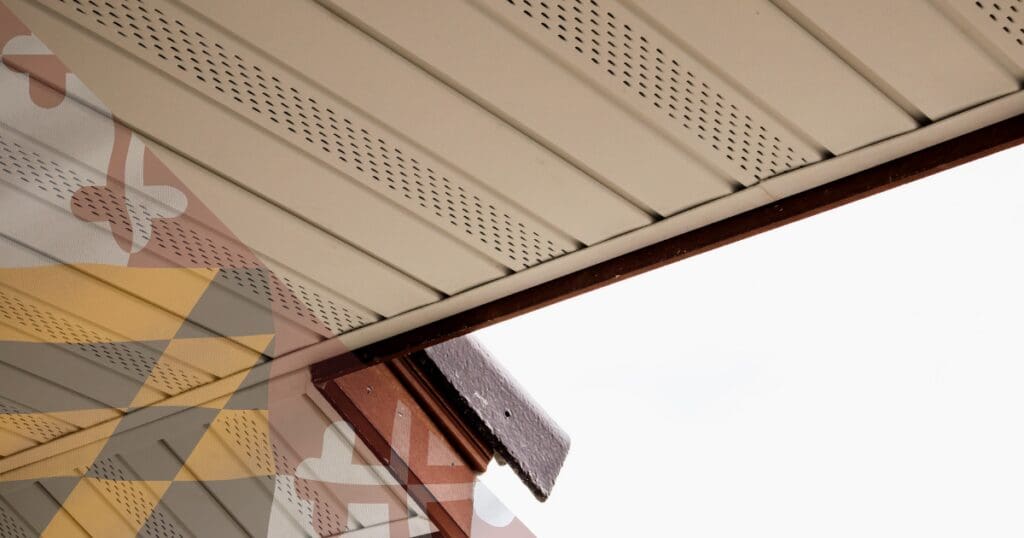
The destructive cycle begins inside your attic. If a home lacks adequate insulation or suffers from blocked soffit intakes, radiant heat from the living spaces directly warms the structural roof deck. This localized heat source melts the bottom layer of accumulated snow resting on the shingles, even when outside air temperatures remain well below freezing. As this snow melts, the liquid water travels downward along the pitch of the roof, moving safely over the heated portion of the interior envelope. For a deeper understanding of how airflow dictates temperature, property owners should review our comprehensive guide on attic ventilation failures.
Hydrostatic Pressure at the Unheated Eaves
The catastrophic failure occurs when this liquid runoff reaches the roof’s eaves and gutters. Because these overhangs extend past the exterior walls of the heated house, their surface temperature drops dramatically to match the freezing ambient air. The liquid snowmelt then instantly refreezes upon contacting the cold eaves. Over several days and nights, this constant melting and refreezing builds a massive, solid ridge of ice—the ice dam.
Once the dam establishes itself, it blocks all subsequent drainage. Fresh snowmelt pools directly behind the ice barrier, creating immense hydrostatic pressure. Because asphalt shingles are designed to shed water gravitationally—not to hold standing water like a swimming pool—this pressurized moisture inevitably flows backward. It pushes up beneath the shingles, bypassing the primary defense layer and infiltrating the raw plywood decking below.
The Crucial Role of Ice and Water Shields
Transient contractors frequently fail to install proper defenses against lateral water migration. A rigorous roofing system requires a high-quality, self-adhering ice and water shield installed directly to the bare decking along all eaves and valleys. This specialized underlayment acts as a final, waterproof gasket that seals tightly around every roofing nail. When contractors cut corners and use standard felt paper at the eaves, they guarantee a total structural failure the moment an ice dam forces water backward.
Why Fall is the Critical Window for Structural Intervention
Attempting to cure an ice dam in February is a dangerous and highly destructive endeavor. Smashing ice with hammers shatters brittle asphalt shingles, while applying chemical melts severely corrodes aluminum gutters and copper flashing. Therefore, the only scientifically sound approach to winter moisture management is preemptive ice dam prevention.
By executing a diagnostic evaluation in October or November, our specialists identify thermal leaks, unblock clogged soffit baffles, and assess the integrity of your underlayment before the damage occurs. Homeowners must integrate these specific checks into their annual upkeep routines, which we detail thoroughly in our baseline overview on how to maintain your roof.
Professional Diagnostic and Remediation Services
We reject the reactive guesswork that plagues the modern roofing industry. Slapping tar over a leak in freezing weather does not address the thermodynamic failure causing the issue. Our diagnostic specialists leverage 140 years of local structural expertise to engineer permanent, high-performance winterization solutions:
- Thermal Airflow Audits: We calculate your exact Net Free Ventilating Area (NFVA), ensuring your soffit intakes and ridge exhausts operate in perfect equilibrium to keep the roof deck universally cold.
- Eave and Valley Reinforcement Checks: We inspect critical junctions and overhangs to ensure high-grade, impermeable ice and water shields are actively protecting your lowest exterior perimeters.
- Gutter and Scupper Clearing: We eliminate autumn leaf blockages and urban debris from all drainage pathways, guaranteeing that when snow eventually melts, it flows seamlessly away from the structural fascia boards.
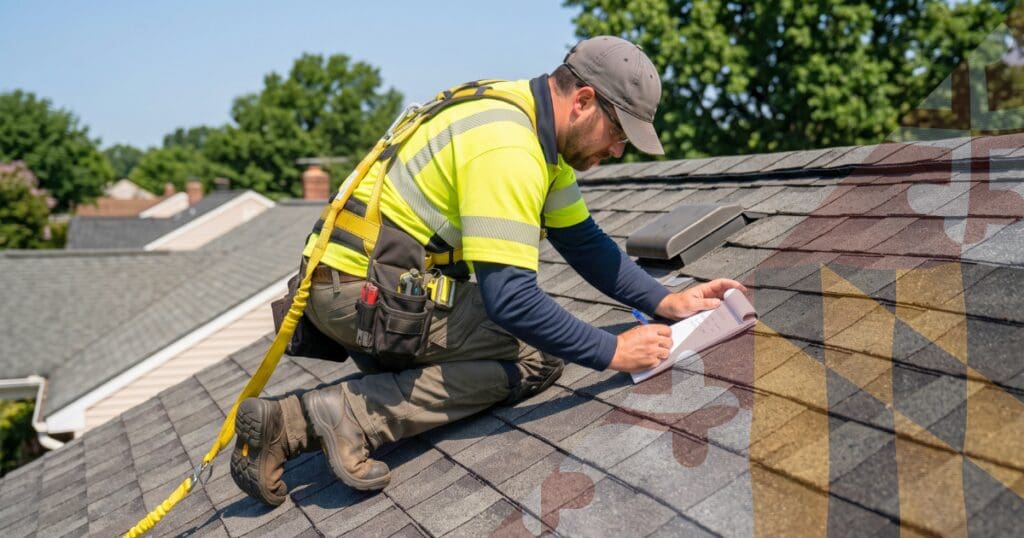
- Pre-Winter Vulnerability Assessments: We conduct exhaustive visual and thermal inspections to locate backed-out nails, torn flashing, and compromised seals. Property owners can initiate this vital process by scheduling a detailed residential roof inspection in Baltimore.
Regional Accountability Across the Mid-Atlantic
Winter storms across the Mid-Atlantic do not impact all structures equally. A historic 19th-century rowhome in the city faces entirely different thermal challenges than a sprawling suburban build. We bring localized, specialized diagnostic standards to property owners across central Maryland. Whether auditing an aging ventilation system in Columbia, repairing flashing in Silver Spring, securing eaves in Towson, or winterizing estates in Frederick, our teams deliver rigorous, climate-specific engineering.

Secure Your Exterior Envelope Today
Do not wait for a heavy January snowfall to test the structural integrity of your home. Ice dams work silently, infiltrating your envelope and destroying your property from the inside out long before water spots appear on your drywall. You must take aggressive action to protect your equity during the fall season. If you lack proper underlayment, suffer from poor attic insulation, or have a history of winter leaks, contact our team immediately for a 48-hour diagnostic audit. Our specialists will track down every thermal vulnerability and design a permanent, high-performance winterization strategy. Secure your exterior envelope today and face the winter with absolute confidence.

Frequently Asked Questions
What exactly is an ice dam?
An ice dam is a solid ridge of ice that forms at the lowest edge (eaves) of a sloped roof. This barrier prevents melting snow from draining off the roof, causing water to pool behind the dam and eventually leak backward through the roofing materials into the home.
Can I just break the ice dam with a hammer to drain the water?
No. Striking your roof with a hammer, hatchet, or shovel will violently shatter freezing, brittle asphalt shingles and permanently damage the underlying waterproof membranes. Mechanical removal frequently causes more expensive structural damage than the water leak itself.
How does attic insulation affect ice dam prevention?
Attic insulation acts as the primary barrier between your home’s heated living space and the cold roof deck. If insulation is degraded or insufficient, heat escapes upward, melting the snow on the roof and triggering the exact freeze-thaw cycle that builds an ice dam at the cold eaves.
Does my standard roof warranty cover interior leaks caused by ice dams?
Generally, no. Most major roofing manufacturers and insurance carriers classify ice dam damage as an interior insulation and ventilation failure, not a defect in the shingles themselves. Damage resulting from thermal heat loss is usually excluded from standard exterior material warranties.
What is an ice and water shield?
An ice and water shield is a specialized, rubberized asphalt underlayment. Unlike standard felt paper, this membrane features a strong adhesive backing that bonds directly to the wood decking and tightly seals around the shank of every roofing nail. This creates a completely waterproof barrier that stops backed-up ice dam water from penetrating the wood structure.
