Top 10 Home Improvement Projects That Will Increase Your ROI in 2026
As we move into 2026, the real estate landscape in Baltimore — and across Maryland — is shifting decisively. The post-pandemic frenzy of buying “anything with a roof” has settled into a far more discerning market. Buyers today face a trifecta of financial pressures: elevated interest rates, higher home prices, and significantly stricter homeowner insurance requirements.
This economic reality changes the game for renovations. Buyers are less willing to take on “fixer-uppers” because they simply don’t have the extra cash flow after the mortgage payment. They want turnkey. They want energy efficiency. They want structural peace of mind.
For homeowners, this means the strategy for home improvement ROI in 2026 is about smart, calculated upgrades rather than sprawling luxury renovations. It’s about projects that secure the building envelope, reduce monthly operating costs, and create immediate “curb appeal” impact.
Whether you are planning to sell your rowhome in Canton next spring or simply want to invest wisely in your forever home in Towson, not all renovations are created equal. Based on the latest Cost vs. Value data and specific Baltimore market trends, here is a comprehensive guide by Baltimore Roofing & Remodeling to the top 10 projects that will deliver the best return on investment (ROI) in 2026 and best renovations for resale.



1. Garage Door Replacement
Estimated ROI: 190% – 260%
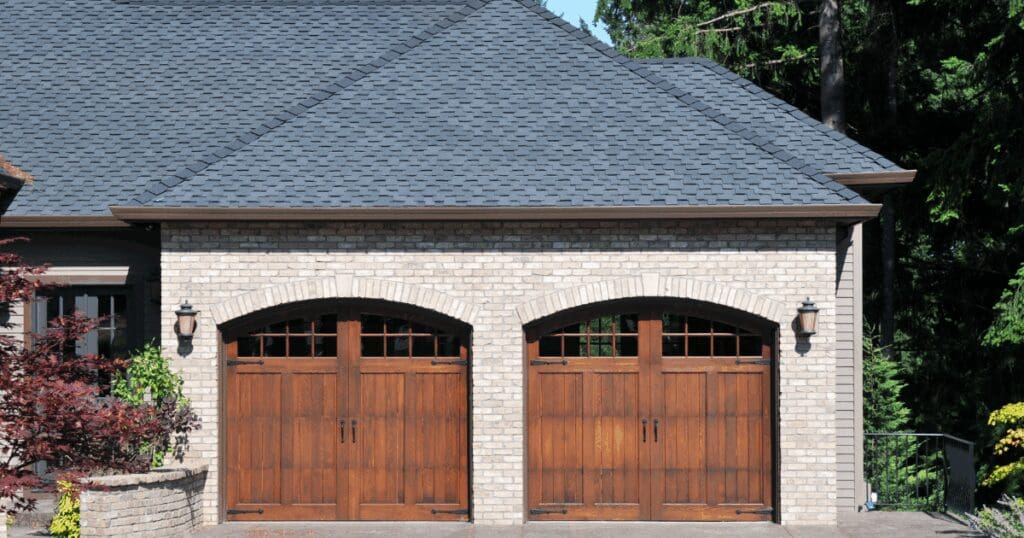
It sounds surprisingly simple — perhaps even boring — but for the second year in a row, replacing your garage door is the single best investment you can make. It is the definition of “high impact, low cost” when looking at home improvement ROI in 2026.
In many suburban Baltimore homes, the garage faces the street, often taking up to 40% of the home’s visual facade. An old, dented, or uninsulated aluminum door drags down the perceived value of the entire property before a buyer even steps inside.
- The Upgrade: Swap the builder-grade metal door for a high-tensile steel door with polyurethane foam insulation and heavy-duty thermal seals.
- The Energy Factor: An uninsulated garage door is a massive thermal hole in your home. If your garage is attached, that cold air sucks heat from the adjacent rooms (often a kitchen or living room) and the bedroom above. A new insulated door creates a thermal buffer.
- Aesthetic Impact: Modern doors offer carriage-house styles, wood-grain finishes, and window inserts that completely change the character of the house. It transforms a “utility” entrance into an architectural feature, leading to a high ROI home improvement investment.
2. Steel Entry Door Replacement
Estimated ROI: 180% – 215%
Your front door is the “handshake” of your home. It sets the expectation for everything that follows. If a buyer walks up to a peeling, drafty wooden door with a loose knob, they subconsciously deduct value from the home immediately. They assume if the front door is neglected, the maintenance behind the walls has been neglected too.
- The Upgrade: A 20-gauge steel entry door is the gold standard for ROI. It offers superior security, fire resistance, and insulation compared to wood.
- Baltimore Context: For historic rowhomes where a flat steel slab might look out of place, high-end fiberglass doors that mimic wood grain can offer similar durability and ROI while respecting the architectural charm.
- Security: In an urban environment, the perceived security of a steel frame and door is a major selling point when considering home improvement ROI in 2026.
3. Manufactured Stone Veneer
Estimated ROI: 150% – 200%
You don’t need to re-face your entire house to see a return. Replacing a strip of vinyl siding with manufactured stone veneer — typically around the entryway or the lower third of the street-facing wall — adds a sense of permanence and luxury that vinyl simply cannot match, thus adding to your exterior remodeling value.
- The “Curb Appeal” Effect: Stone implies structural solidity. Even a small accent area signals to buyers that this is a “premium” home. It breaks up the monotony of siding and adds texture and depth to the facade.
- Installation Matters: While this looks like a cosmetic upgrade, proper installation is critical. It requires a robust drainage plane behind the stone to prevent water from getting trapped against the sheathing. Improper installation can lead to rot, turning a high-ROI project into a liability.
- Note: This is less applicable to classic Baltimore brick rowhomes but is highly effective for detached homes in the surrounding counties like Baltimore County and Anne Arundel County.
4. Minor Kitchen Remodel
Estimated ROI: 70% – 85%
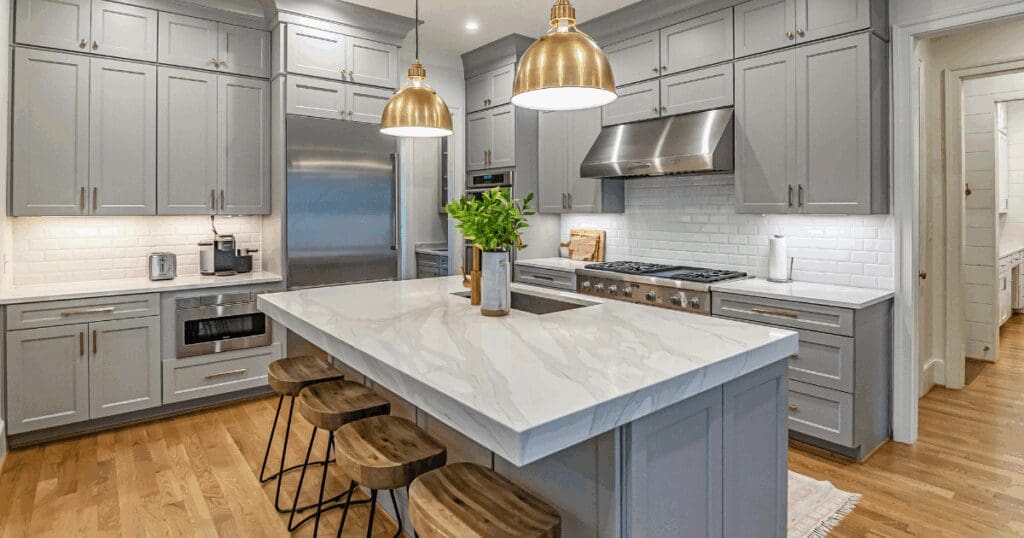
Notice the word “Minor.” In 2026, dropping $80,000 on a luxury gourmet kitchen is unlikely to return its value dollar-for-dollar. A major remodel involves moving plumbing, knocking down walls, and buying custom cabinetry — costs that are rarely fully recouped.
However, a cosmetic “lift” yields massive returns. This keeps the bones of the kitchen but updates the surface.
- The Strategy: Keep the layout. Keep the plumbing where it is.
- The Projects:
- Refacing: Instead of tearing out boxes, just replace the cabinet doors and drawer fronts.
- Countertops: Swap laminate or tile for quartz or granite.
- Hardware: Change dated brass knobs to modern matte black or brushed nickel.
- Lighting: Replace the fluorescent box light with recessed LEDs or pendant lights.
- The Result: You get the “new kitchen” look that sells homes without the structural demolition costs that eat into your profit.
5. Siding Replacement (Fiber Cement vs. Vinyl)
Estimated ROI: 80% – 100%
Old, cracked, or faded siding screams “maintenance deferred.” In Baltimore’s humid climate, it also suggests potential rot, mold, or insect issues underneath. If a buyer sees wavy siding, they wonder what is happening to the wood framing behind it.
- Vinyl Siding: Still a strong contender due to lower upfront costs. Modern vinyl is fade-resistant, comes in wider planks that look more expensive, and often includes insulated backing to improve R-value.
- Fiber Cement: While it costs more upfront, fiber cement (like Hardie Board) is fire-resistant, impervious to termites, and handles Maryland’s freeze-thaw cycles better than vinyl. It offers a higher resale value for premium homes because it looks and feels like painted wood but lasts significantly longer.
Pro Tip: Exterior renovations consistently outperform interior ones in ROI data. Buyers will drive away from a house with bad siding before they ever see the beautiful kitchen inside. Learn more about prioritizing the exterior in our guide: Thinking Beyond the Roof: How Exterior Remodeling Enhances Home Value and Appeal.
6. Roof Replacement (Asphalt Shingles)
Estimated ROI: 60% – 75% (Financial) / 100% (Sales Velocity)
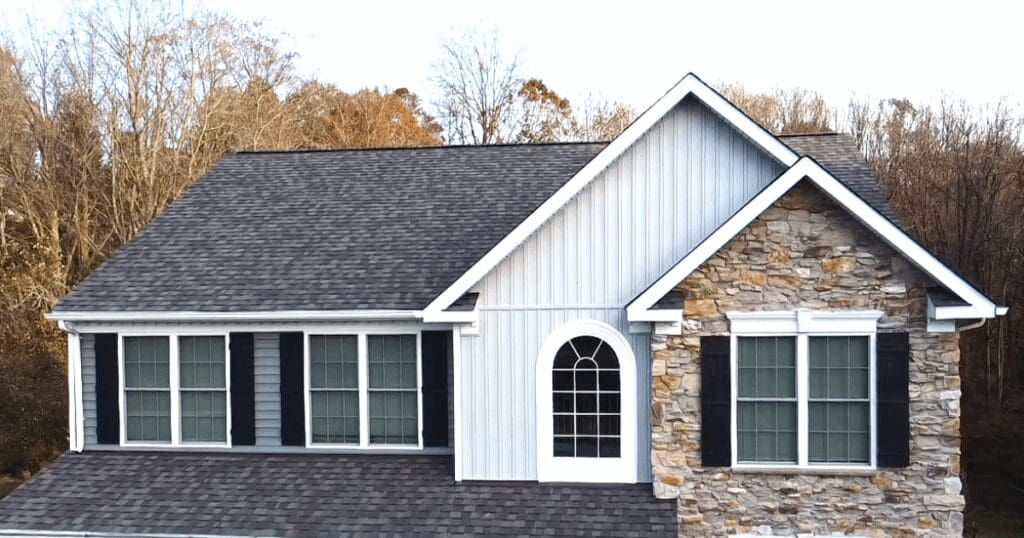
The ROI percentage for roofing can be misleading. While you might “only” recoup 65% of the cost in direct home value increase, a new roof is often the factor that allows the sale to happen at all.
- The Deal Breaker: In 2026, insurance companies are becoming incredibly strict. Many will not write a new policy on a home with a roof older than 15-20 years. If a buyer can’t get insurance, they can’t get a mortgage. An old roof can kill a deal at the closing table.
- The Value of Warranties: A new architectural shingle roof with a transferable manufacturer warranty removes a massive liability from the buyer’s plate. They know they won’t have to spend $15,000 in their first year of ownership.
- Material Choice: Architectural asphalt shingles remain the king of ROI for most residential homes. While slate and metal are beautiful, their high cost is harder to recoup in a standard sale, which can eschew your home improvement ROI in 2026 . You can compare the options in our blog on different types of asphalt shingles.
Unsure if you need a replacement or just a repair? Learn more about when to replace your roof and make an informed decision.
7. Energy-Efficient Window Replacement
Estimated ROI: 65% – 75%
With energy costs rising, buyers are asking for utility bills before they make offers. Single-pane windows or blown double-pane seals (where you see fog between the glass) are major red flags.
- Vinyl Replacements: These offer the best balance of cost and performance. Look for Low-E coatings (which reflect heat back into the house in winter and keep it out in summer) and Argon gas fills.
- The Comfort Factor: Beyond the math, new windows make the home quieter and less drafty. This “feeling” of quality helps sell the home during a walk-through. If a potential buyer stands by the window and feels a cold draft, they will assume the house is expensive to heat.
- Operation: Windows that open and close smoothly are a subtle but powerful signal of a well-maintained home.
8. Mid-Range Bathroom Remodel
Estimated ROI: 60% – 70%
Similar to the kitchen, you don’t need to move walls. A “gut and replace” of the fixtures usually offers better ROI than expanding the footprint into a bedroom or closet.
- Focus Areas: Replace the vanity, toilet, and lighting. If the tub is in good shape, re-glaze it rather than tearing it out. If the tile is dated, replace it with neutral, large-format porcelain (which has fewer grout lines to clean).
- Universal Design: Installing a walk-in shower or robust grab bars makes the home accessible to a wider demographic, including aging buyers who want to “age in place.” This expands your potential buyer pool significantly and amplifies home improvement ROI in 2026.

9. Wood or Composite Deck Addition
Estimated ROI: 50% – 65%
Outdoor living spaces surged in popularity a few years ago, and the trend has stabilized into a standard expectation. In Baltimore, where backyards can be small, a functional deck effectively adds another “room” to the house.
- The Lifestyle Sell: A deck expands the usable square footage of the home for a fraction of the cost of a room addition. It connects the indoors to the outdoors.
- Wood vs. Composite:
- Pressure-Treated Wood: Cheapest to build, yielding a high immediate ROI. However, it requires annual staining and sealing.
- Composite (Trex, etc.): Costs significantly more upfront (sometimes double), but is a major selling point for buyers who want “low maintenance.” It won’t splinter, rot, or need painting. For a long-term hold, composite is the better value; for a quick flip, wood wins on ROI.
10. The “Invisible” ROI: Insulation & Ventilation
Estimated ROI: 100% (Energy Savings & Prevention)
While not a “sexy” cosmetic upgrade that you can show off on Instagram, topping off your attic insulation and ensuring proper roof ventilation is critical for both comfort and structural integrity.
- Ice Dam Prevention: In Maryland, poor attic insulation leads to ice dams, which cause leaks. Fixing this prevents a loss of value.
- The Home Inspection: A savvy home inspector will check the attic. Seeing R-60 insulation and clear soffit vents signals that the home has been cared for properly. It reduces the likelihood of the buyer asking for “concessions” or credits at closing.
- Roof Longevity: Proper ventilation prevents your roof deck from rotting from the inside out and extends the life of your shingles. See why this matters and learn more about the importance of roof underlayment and ventilation.
The “Zero ROI” Traps: Projects to Avoid
Just as important as knowing what to do is knowing what not to do. Some projects are purely for personal enjoyment and will return almost no value when you sell.
- Swimming Pools: In the Mid-Atlantic, a pool is often viewed as a liability, a maintenance headache, and an insurance risk. You will likely recoup less than 40% of the cost.
- Luxury Master Suites: Converting a 4-bedroom house into a 3-bedroom house to create a massive master suite often hurts value. Most buyers prioritize bedroom count over bedroom size.
- Wall-to-Wall Carpeting: Hardwood (or even luxury vinyl plank) is the preference. New carpet is often ripped out immediately by new owners.
Financing Your High-ROI Projects
Understanding that these projects add value is one thing; paying for them is another. If you don’t have the cash on hand, there are strategic ways to finance these improvements without jeopardizing your financial health.
- Contractor Financing: Many reputable roofing and remodeling companies offer installment plans. While reliable and convenient, always check the interest rate against what your bank would offer.
- Home Equity Line of Credit (HELOC): This allows you to borrow against the equity you’ve built in your home. Interest rates are usually lower than personal loans, and the interest may be tax-deductible if used for home improvements.
- FHA 203(k) Loans: If you are buying a fixer-upper, this loan bundles the mortgage and renovation costs into one loan with one closing.
Before starting any major work, specifically on the roof or exterior, it’s wise to get a baseline on what needs to be done versus what is optional. A residential roof Inspection in Baltimore is the first step in budgeting accurately.

The “Baltimore Factor”: Specific Local Considerations
When calculating home improvement ROI in 2026 in our specific region, generic national data only tells half the story.
Historic Rowhomes
If you own a classic Baltimore rowhome, “standard” upgrades can sometimes hurt value if they destroy character.
- Don’t: Replace a historic cornice with cheap vinyl or install a suburban-style front door.
- Do: Restore the cornice and install a high-quality flat roof system (TPO or Modified Bitumen) that improves energy efficiency without altering the facade. Read more about flat roof systems in Baltimore.
Storm Resilience
Maryland weather is unpredictable. ROI is also measured in “damage avoided.” Investing in high-capacity gutters and downspouts protects your foundation and basement from flooding. It’s an unglamorous upgrade that saves tens of thousands in potential damage. Check out our blog on the importance of gutter installation in Baltimore.
Summary: Invest in the Envelope
The clear theme for home improvement ROI in 2026 is the “Exterior Envelope.” Garage doors, entry doors, siding, windows, and roofing dominate the high-ROI positions. Why? Because they protect the asset and lower operating costs.
Interior trends change with the wind (remember grey luxury vinyl plank flooring?), but a dry, warm, and secure home never goes out of style.
The Strategy for 2026:
- Secure the Shell: Fix the roof, gutters, and siding first.
- Seal the Leaks: Upgrade windows and doors to stop energy loss.
- Refresh the Interior: Focus on cosmetic updates to kitchens and baths, not structural overhauls.
If you are looking to make smart, high-value improvements to your home’s exterior this coming year, start with a professional assessment.
Contact Baltimore Roofing & Remodeling today. We can help you prioritize the projects that will protect your home and maximize your investment for 2026 and beyond.