
Attic Ventilation Failures: How Summer Heat Destroys Maryland Roofs
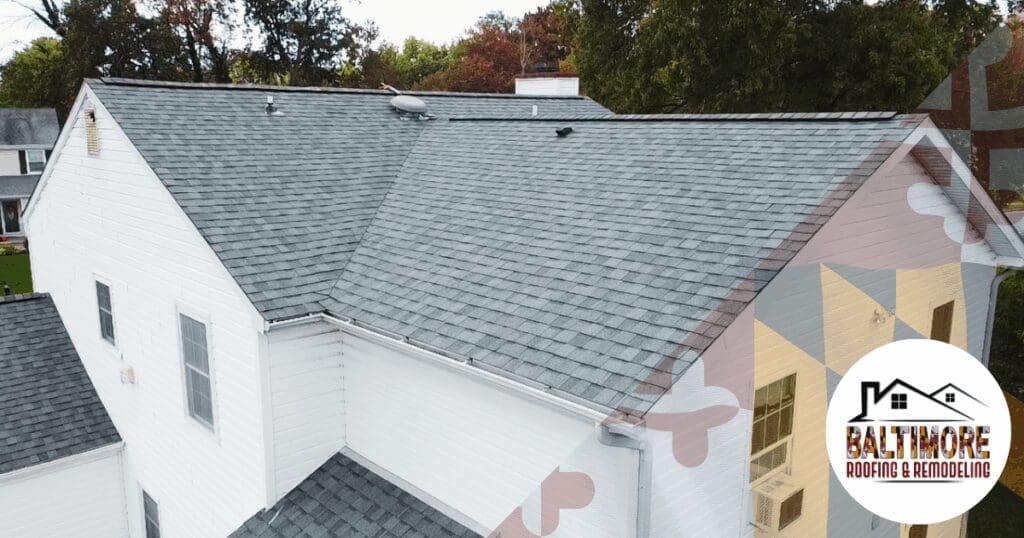
When Maryland property owners ask why their roofing system failed a decade before its warranty expired, the culprit rarely involves a violent storm. Instead, the damage typically stems from invisible attic ventilation failures. A perfectly installed shingle system cannot survive if the atmospheric conditions directly beneath it remain unbalanced. During a Mid-Atlantic heatwave, an improperly ventilated attic effectively becomes a convection oven, silently baking your exterior envelope from the inside out. Because our specialized teams at Baltimore Roofing & Remodeling have diagnosed complex thermal and structural envelope breaches across the region since 1885, we instantly recognize the early warning signs of heat degradation that modern, transient contractors overlook.



The Anatomy of Attic Ventilation Failures: Quick Summary
- The Intake Blockage: Painted-over or insulation-choked soffit vents cut off the essential supply of fresh ambient air from the lower eaves.
- The Exhaust Bottleneck: Inadequate ridge or gable vents trap rising hot air, preventing the necessary thermal cycling out of the uppermost peak.
- The Thermal Trap: Stagnant air superheats the attic space, driving internal temperatures well past 150 degrees Fahrenheit during summer months.
- The Material Degradation: Intense internal heat transfers directly into the plywood decking and shingles, accelerating adhesive failure and asphalt blistering.
Understanding the Mechanics of Airflow and Thermal Dynamics
Understanding the exterior and interior structural mechanics of your home remains critical to protecting your real estate equity. A healthy roof breathes. It relies on the simple physics of thermal convection—cold air falls and hot air rises. Property owners can learn more about maintaining this critical atmospheric balance in our comprehensive preventative guide.
The Principle of Convective Cycling
An effective envelope operates on continuous, passive convective cycling. Cool outside air must enter through the soffit vents at the lowest point of your roofline. As this air naturally warms inside the attic, it rises along the underside of the roof deck and eventually escapes through the exhaust vents at the highest peak. When property owners disrupt this cycle—often by indiscriminately stuffing insulation into the eaves—they paralyze the system. The airflow completely stops, and thermal pressure begins to build aggressively against the structural frame.
Winter Condensation and Frost Heaving
Ventilation failures do not strictly cause summer damage. During the winter, ambient heat and moisture from your showers, cooking, and HVAC system rise into the cold attic space. Without proper ventilation to sweep that moist air outside, it condenses directly onto the freezing roof nails and raw plywood. This trapped moisture initiates widespread mold growth and causes frost heaving, which is why rigorous spring roof leak detection in Maryland is a vital diagnostic service following a harsh winter.
Long-Term Structural Rot and Shingle Degradation
An exterior envelope relies on stable sub-surface conditions to perform at its maximum capacity. When ventilation fails, the resulting thermal load attacks your roof from the bottom up, reversing the direction of protection and destroying the materials holding your property together.
Asphalt Shingle Blistering and Delamination
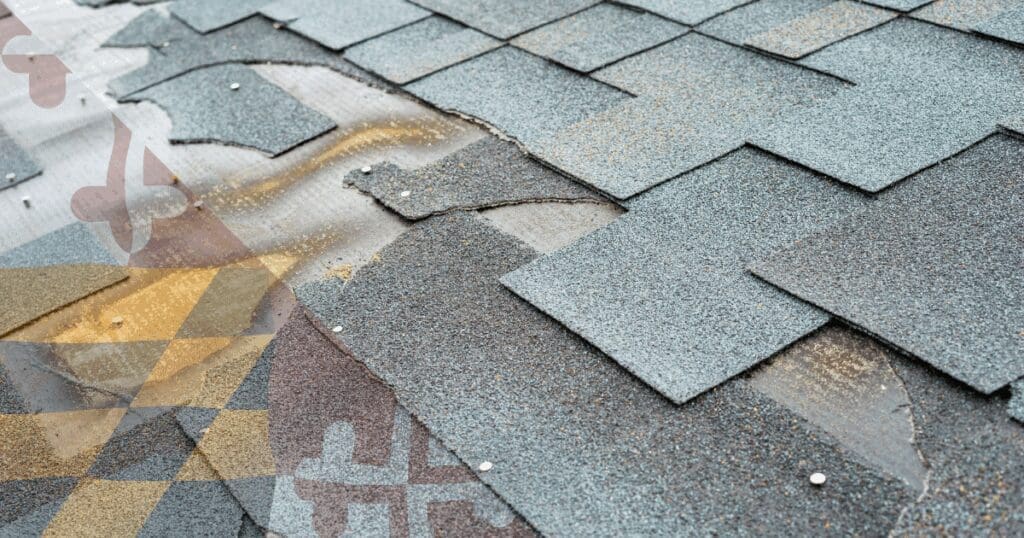
Your shingles are designed to withstand direct sunlight, but they cannot survive being cooked from both sides simultaneously. When an attic reaches 150 degrees, that heat conducts straight through the decking into the bottom of the shingle. The asphalt rapidly dries out, loses its waterproofing oils, and begins to blister. The protective granules loosen and wash away into your gutters. Eventually, the shingles curl at the edges and delaminate, requiring a thorough residential roof inspection in Baltimore to assess the total loss of structural integrity.
Plywood Decking Warpage
The plywood sheathing serves as the structural foundation for your entire exterior envelope. Extreme, fluctuating temperatures combined with trapped moisture cause this raw wood to expand and contract violently. The decking warps, creating a wavy, uneven roofline visible from the street. The wood eventually delaminates and rots from the inside out, weakening the nail-holding capacity of the frame. In severe cases of total envelope neglect, you may need to replace roof and siding at same time to properly re-engineer the airflow pathways.
Professional Diagnostic and Repair Services
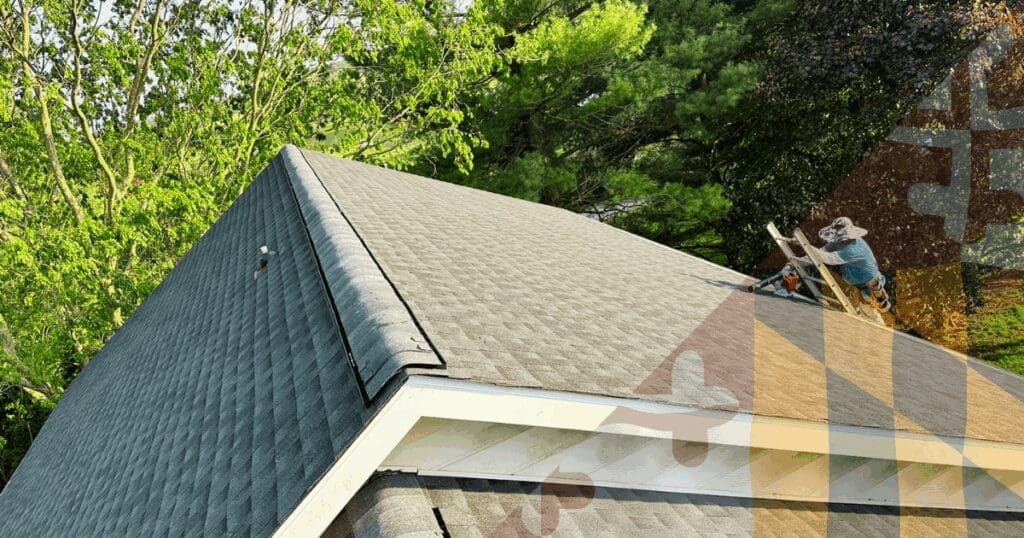
We reject the “guesswork” approach to roofing. A transient contractor might slap new shingles over a warped deck, but they won’t calculate the precise Net Free Ventilating Area (NFVA) required to keep those new materials alive. Our local experts execute rigorous thermal audits—backed by our 140 years of local structural observations—to find hidden airflow bottlenecks before they lead to toxic mold growth or catastrophic decking failure.
- Emergency Audits: If your second floor feels unusually hot during the summer or you notice excessive frost in your attic during the winter, we provide comprehensive storm damage roof repair in Baltimore to correct compromised venting systems.
- Complex Restorations: For historic urban properties, we address flat roof ponding water in Baltimore and integrate specialized mechanical ventilation systems designed for zero-clearance structures.
- Regional Accountability: We serve the entire region, from Columbia to Silver Spring, with highly vetted crews who understand the specific humidity and thermal stresses of our Maryland climate.
Secure Your Exterior Envelope Today
Do not wait for a collapsed ceiling to address ventilation failures. Heat damage works silently until a violent thunderstorm exposes the weakened shingles. You must act aggressively to protect your real estate equity. If you suspect your home has been compromised by poor airflow, contact us immediately for an emergency 48-hour diagnostic audit. Our experts will fiercely hunt down hidden ventilation vulnerabilities before the next heatwave strikes. Whether you are in Towson or Frederick, explore our comprehensive exterior services to secure your property today.

Frequently Asked Questions
How do I know if my attic is poorly ventilated?
The most obvious sign is a massive temperature difference between your living space and your attic. If your attic feels like a sauna in the summer, or if you see rusty roof nails and damp insulation in the winter, your airflow is failing. You may also notice your HVAC system running continuously without successfully cooling your second floor.
Can I just add an attic fan to solve the problem?
No. Simply adding a power fan without calculating the corresponding intake ventilation will actively pull conditioned, expensive air directly out of your living space through the ceiling fixtures. An attic fan must work in perfect synchronization with your soffit vents to be effective.
Does homeowners insurance cover premature roof failure from bad ventilation?
Almost never. Insurance adjusters and shingle manufacturers classify poor ventilation as an installation or maintenance failure, not an unavoidable storm event. Furthermore, inadequate ventilation will instantly void the manufacturer’s warranty on your shingles, leaving you entirely responsible for the replacement costs.
What is the ideal temperature for an attic?
In a perfectly balanced system, your attic temperature should remain within 10 to 15 degrees of the ambient outside temperature. During the winter, it should be cold enough to prevent snow from melting too quickly on the roof, which causes ice dams.
Will more insulation fix my hot upstairs rooms?
Insulation slows the transfer of heat, but it does not remove the heat source. If your attic is trapping 150-degree air, that thermal mass will eventually push through even the thickest insulation. You must fix the ventilation to remove the superheated air before upgrading your insulation.
How do soffit vents get blocked in the first place?
The most common cause is improper insulation installation, where blown-in fiberglass or batts are shoved directly against the roof deck, sealing off the eaves. Additionally, repeated exterior painting can seal over the perforated holes in older metal or wooden soffit panels, strangling the air intake.
Does a flat roof need ventilation?
Yes, though the mechanics are entirely different. Flat or low-slope roofs typically utilize a “cold roof” design that requires specific cross-ventilation between the joists, or a “warm roof” design where the insulation is placed entirely above the deck. Incorrectly ventilating a flat roof will lead to rapid condensation and structural joist deflection.
