
The Slow Soak Crisis: Why 50-Degree Spring Rain Destroys Roofs
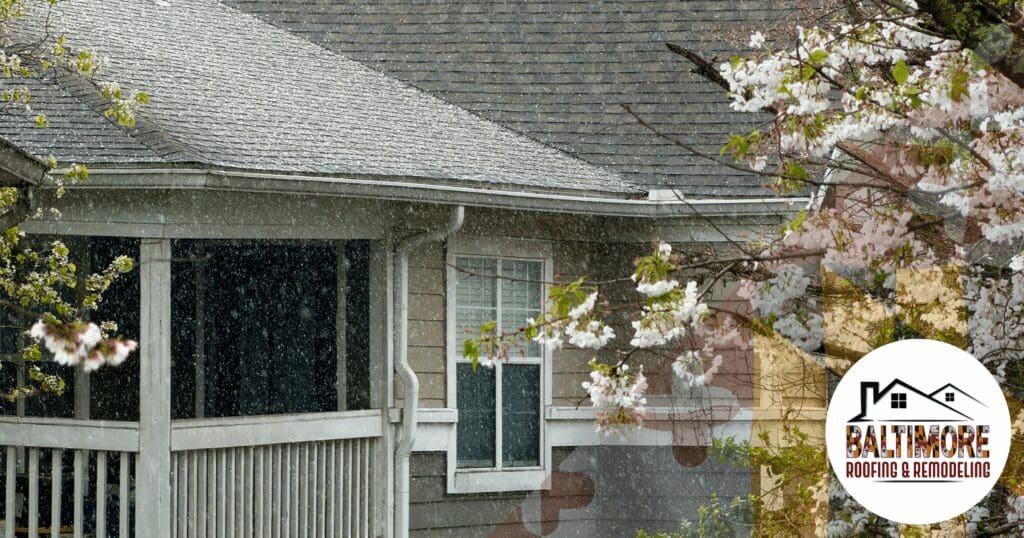
Currently, the Maryland weather forecast shows a steady stream of days hovering between 50 and 60 degrees. Consequently, homeowners look outside, see a light, unthreatening drizzle, and completely ignore their home’s exterior. They reserve their panic for the violent, high-wind thunderstorms of July. However, this mindset creates a dangerous blind spot. In reality, moderate spring temperatures accompanied by persistent, quiet rain create the perfect conditions for total structural saturation.
When searching for reliable spring roof leak detection, Maryland property owners consistently discover that a three-day “slow soak” causes drastically more hidden damage than a one-hour torrential downpour. Heavy summer rain frequently washes straight off the shingles and directly into the gutters. Conversely, a quiet spring drizzle acts like a sponge. It methodically exploits every single microscopic crack your roof sustained during the brutal winter freeze.
Therefore, at Baltimore Roofing & Remodeling, we consider the current weather pattern an urgent warning sign. We operate as your actual neighbors, protecting communities across the region. We design our diagnostic protocols to locate these invisible intrusions long before gravity finally pulls the water through your living room ceiling.



At a Glance: The Dangers of the Spring Slow Soak
- The Environmental Threat: Steady, 50-degree rain allows water to slowly penetrate microscopic winter fractures, causing massive underlayment saturation before any visible interior leaks occur.
- The Critical Vulnerabilities: Flashing intersections, brick chimneys, and low-slope valleys represent the highest risk zones during continuous spring precipitation.
- The Structural Consequence: Ignoring a slow soak leads directly to plywood deck delamination, invisible attic mold, and catastrophic framing rot.
- The Local Solution: Hiring dedicated local professionals guarantees a rigorous, ground-level assessment that outsmarts the weather across the entire state, from historic Baltimore City to the expansive suburbs of Howard County.
The Mechanics of the Spring Saturation Phenomenon
To fully grasp the danger of our current weather pattern, you must understand how water behaves at different velocities. Homeowners frequently misjudge the physical dynamics of rain.
Why Low-Velocity Rain Penetrates Deeper
During a severe summer thunderstorm, rain hits your shingles with extreme force and massive volume. The sheer velocity of the water forces it to cascade rapidly down the slope of the roof. Consequently, the water rarely has time to explore tiny material vulnerabilities.
On the other hand, a 50-degree spring drizzle lacks that kinetic energy. The water gently lands on the shingles and slowly crawls down the architectural slope. Because the water moves so slowly, surface tension allows it to stick to the materials. It pools around nail heads, creeps under slightly lifted shingle tabs, and rests heavily against the metal flashing. Ultimately, this low-velocity behavior gives the water hours — or even days — to find a microscopic entry point.
The Failure of Winter-Damaged Sealants
Furthermore, your roof just survived months of brutal thermal shock. Throughout January and February, ice expansion violently cracked the manufacturer’s tar sealants and completely fractured your caulking. If you ignored your winter roof damage near Baltimore, those microscopic fissures now sit wide open.
When the slow spring rain arrives, it flows directly into these broken seals. Because the sun does not shine brightly enough in 50-degree weather to evaporate the moisture, the water just sits there. It relentlessly soaks into the structural layers of your home.
Common Spring Roof Leak Locations
Understanding the physics of the slow soak allows our diagnostic specialists to target specific architectural weak points. When we execute a comprehensive residential roof inspection near Baltimore, we never waste time aimlessly walking the deck. Instead, we immediately aggressively stress-test the known failure zones that plague homes from Harford County to Cecil County.
Failed Chimney and Parapet Flashing
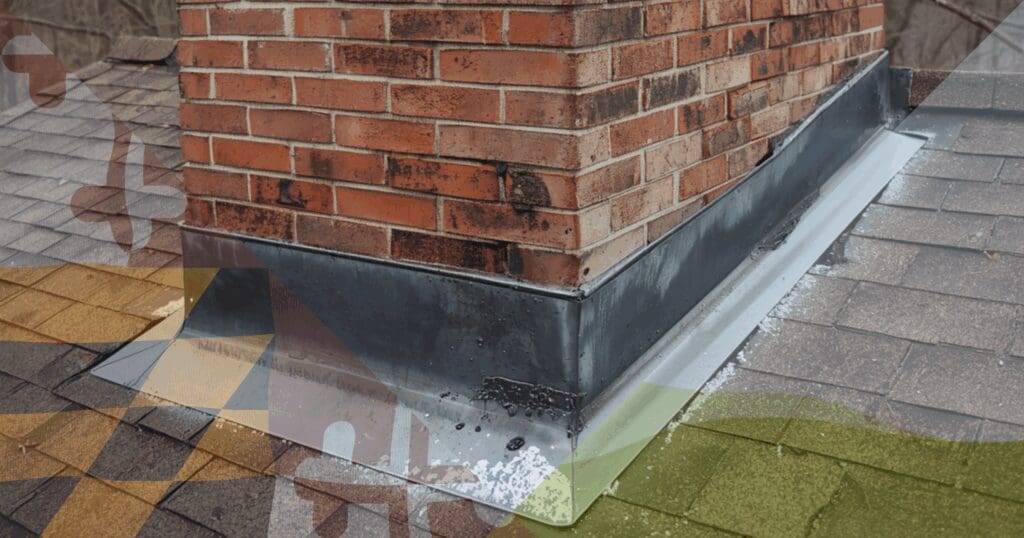
Chimneys represent a massive disruption to your roof’s uniform water barrier. To waterproof this intersection, roofers install a complex system of step flashing and counter-flashing. Unfortunately, the mortar binding the brick heavily degrades over the winter.
When the spring drizzle begins, water easily bypasses the degraded mortar and slips behind the metal counter-flashing. The slow soak funnels thousands of drops of water directly down the masonry column, completely rotting the surrounding framing.
Low-Slope Intersections and Valleys
Complex rooflines feature valleys where two different slopes intersect. These V-shaped channels carry a massive amount of water. During a quiet rain, debris like spring pollen and early leaf drops easily clog these valleys.
Once the valley clogs, the water slows down even further. It creates a temporary dam. The accumulated water then backs up underneath the overlapping shingles. Upgrading the different types of asphalt shingles on your property often resolves this issue, as dimensional architectural materials handle valley water flow much better than outdated 3-tab designs.
Degraded Neoprene Plumbing Boots
Every house features PVC plumbing exhaust pipes penetrating the roof deck. Roofers seal these pipes using metal flanges equipped with neoprene rubber gaskets. UV radiation drastically accelerates the deterioration of this rubber. Consequently, the winter cold turns the dry-rotted rubber brittle, causing it to crack wide open.
When the spring rain falls straight down into these cracked gaskets, the water rides the outside of the PVC pipe directly into your attic insulation.
Roof Underlayment Saturation Signs
The most terrifying aspect of a slow soak involves the timeline of discovery. You cannot rely on a stained drywall ceiling to warn you of a problem. By the time water visibly ruins your interior paint, the active leak has already destroyed your structural envelope for weeks.
The Lateral Migration Phenomenon
Water acts insidiously once it breaches the primary asphalt barrier. It rarely drops straight down. Instead, capillary action pulls the moisture sideways. The water migrates laterally underneath the synthetic felt paper, aggressively seeking the path of least resistance.
This lateral movement completely masks the origin of the leak. The water might enter near the chimney, travel horizontally across the plywood decking for twenty feet, and finally drip into the insulation above your master bedroom. You must enforce the strict Importance of roof underlayment and ventilation to combat this phenomenon. A high-quality underlayment serves as your last line of defense against lateral water migration.
Recognizing Invisible Attic Odors
Because visual inspections frequently fail, you must utilize your other senses. A saturated underlayment breeds massive bacterial and fungal colonies. If you open your attic hatch and immediately smell a heavy, musty odor, you absolutely have an active intrusion. You must schedule an emergency diagnostic appointment before the impending summer heat turns your attic into a massive mold incubator.
The Local Data Reality: Based on our internal structural assessments across the Maryland region last spring, 76% of homes displaying moderate underlayment saturation exhibited zero visible water stains on the interior living space drywall. When you rely solely on your eyes from the living room floor, you allow the slow soak to completely rot your structural deck in absolute silence.
Identifying Deck Delamination
Furthermore, saturated plywood fundamentally loses its structural integrity. Plywood consists of thin wood veneers glued together. When persistent spring rain continuously soaks the wood, the adhesive entirely fails. The wood layers physically separate, creating a dangerous condition known as delamination.
If you walk across your roof and feel a spongy, soft depression under your boots, the decking has completely failed.
The Hidden Danger of Rowhome Party Walls
This seasonal moisture threat severely impacts our urban clients as well. Properties tightly packed into historic districts face a unique structural challenge.
Shared Risk in the Urban Core
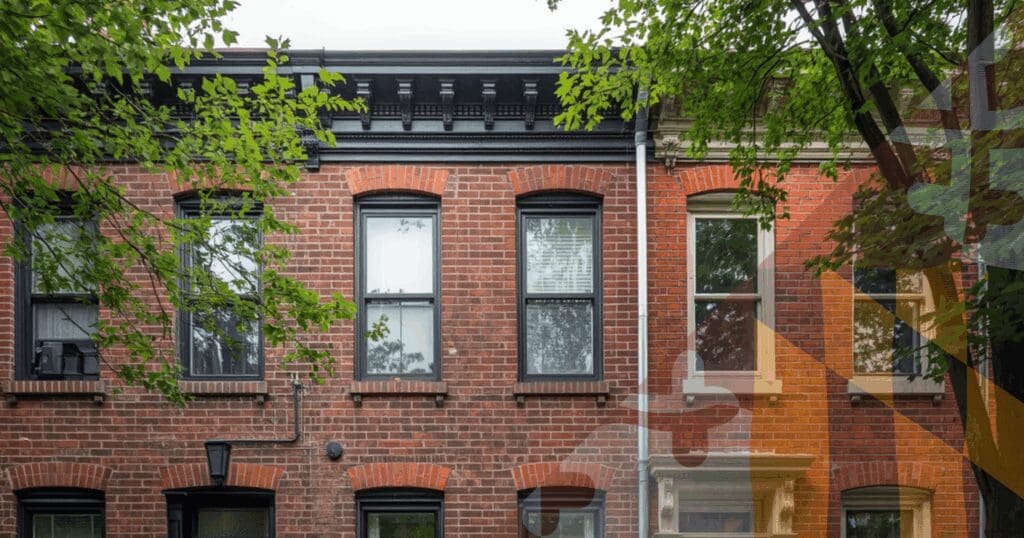
If you own a classic rowhome in downtown Baltimore, you physically share structural brick parapet walls with your neighbors. This architectural design completely eliminates isolation. Consequently, your property remains entirely at the mercy of your neighbor’s maintenance habits.
If the property next door utilizes a failing rubber membrane, the 50-degree slow soak will saturate their decking. Because water migrates laterally, that moisture will eventually hit the shared party wall. The water rapidly travels through the porous brick and destroys your plaster walls, even if your personal roof possesses flawless integrity.
Securing the Flat Roof Perimeter
To protect these urban investments, our technicians must master the precise mechanics of flat roof systems in Maryland. We aggressively inspect the coping metal covering the parapet walls and thoroughly test the termination bar securing the membrane to the brick. You must mandate these perimeter checks to successfully block your neighbor’s water intrusion from destroying your equity.
Cost of Roof Deck Repair in Baltimore
Ignoring the warning signs of a spring slow soak drastically multiplies your long-term financial liability. Catching a leak early changes the entire economic reality of the repair.
The Financial Math of Proactive Diagnostics
If our diagnostic specialists identify a cracked plumbing boot or a failing piece of chimney flashing today, we can execute a highly targeted repair. Replacing a simple rubber gasket costs a fraction of a total replacement. We highly recommend reviewing our guide on the cost of roof repairs in Baltimore to understand the baseline pricing for preventative maintenance.
Conversely, if you ignore the quiet rain, the water thoroughly rots the plywood decking. You cannot patch rotted wood. When the decking fails, building codes mandate a complete structural tear-off. You must rip off the shingles, remove the underlayment, cut out the rotted plywood, re-deck the home, and install a completely new system. You transform a minor maintenance bill into a massive capital expense.
Financing the Structural Upgrade
If an undetected leak has already destroyed your home’s structural integrity, we immediately pivot to flexible financial solutions. We secure robust Baltimore home improvement financing to guarantee you can replace the failing decking without completely liquidating your emergency savings. By breaking the capital cost into manageable monthly payments, you instantly eliminate the water intrusion and rapidly upgrade your property’s overall equity.

The Local Maryland Advantage vs. Private Equity
When homeowners finally discover a massive leak, panic dictates their actions. Unfortunately, out-of-state corporate conglomerates completely exploit this fear to maximize their wall street profit margins.
Rejecting Subcontractor Shortcuts
Massive private equity firms rely entirely on cheap, transient subcontractor labor to finish jobs quickly. They rush the diagnostic phase, slap fresh shingles over rotted decking, and utilize subpar synthetic underlayment. Ultimately, this shoddy craftsmanship guarantees that your new system will fail the next time a slow soak arrives. Furthermore, when you call them to complain about the new leak, the transient subcontractor has already left the state.
Our Dedicated Local Commitment
We operate entirely differently. While out-of-state private equity firms systematically buy up local trades and gut their operational quality, we hold the line for the property owners of Maryland.
We proudly protect homes and businesses across Baltimore City, Baltimore County, Carroll County, Cecil County, Frederick County, Harford County, Howard County, and Montgomery County. Our leadership team brings a 140-year family history in the region to every single project.
Therefore, we exclusively utilize dedicated, highly trained local professionals. We reject the corporate subcontractor model. Instead, we deliver radical honesty, exact punctuality, and a stubborn commitment to flawless execution. We have deep roots in this state, and you will understand why we refuse to compromise on quality.
Take Action Before the Summer Heat Arrives
You cannot control the Maryland weather, but you possess absolute control over your property’s defense systems. Do not let the quiet, 50-degree spring drizzle lure you into a false sense of security. The slow soak aggressively dismantles your home’s structural envelope in absolute silence.
Stop waiting for the water to finally breach your drywall. When you secure a professional audit and an elite diagnostic team, you instantly replace passive anxiety with absolute, verified peace of mind. Moreover, you ensure that your home remains fully protected, compliant, and structurally sound long before the extreme heat and violent thunderstorms of July arrive.
Contact Baltimore Roofing & Remodeling today to schedule your comprehensive spring diagnostic evaluation. We will aggressively hunt down the hidden vulnerabilities and permanently fortify your property against the slow soak.

Frequently Asked Questions: Spring Roof Saturation
Why is a light spring rain sometimes worse for my roof than a heavy thunderstorm?
Heavy, high-velocity thunderstorms force water to run off the shingles rapidly, giving the moisture very little time to find entry points. Conversely, a light, 50-degree drizzle lacks kinetic energy. The water moves slowly, pooling around nail heads and creeping under damaged flashing. This “slow soak” gives the water hours or days to penetrate microscopic fractures.
How do I know if my roof underlayment is saturated if my ceiling is dry?
Because water migrates laterally under the shingles, it often saturates the felt paper and rots the plywood decking long before it drips onto your ceiling drywall. You must look for secondary warning signs. A heavy, musty mold odor inside your attic space, or a soft, spongy feeling when you walk across the shingles, absolutely indicates severe hidden saturation.
Can a saturated plywood roof deck dry out on its own?
No. Once water penetrates the plywood layers and causes the industrial adhesives to fail, the wood undergoes a process called delamination. The structural integrity is permanently destroyed. You cannot dry out and reuse delaminated decking; building codes strictly mandate that you must physically cut out and replace the rotted wood to ensure the home remains safe.
How does my neighbor’s flat roof affect my rowhome during a rainstorm?
Historic urban rowhomes share structural brick party walls. If your neighbor neglects their flat roof membrane, the steady spring rain will saturate their decking. That moisture will migrate laterally, eventually penetrating the shared brick party wall. The water will subsequently bypass your roofing system entirely and destroy your interior plaster walls from the inside out.
