
Should You Replace Roof and Siding at the Same Time in Baltimore?
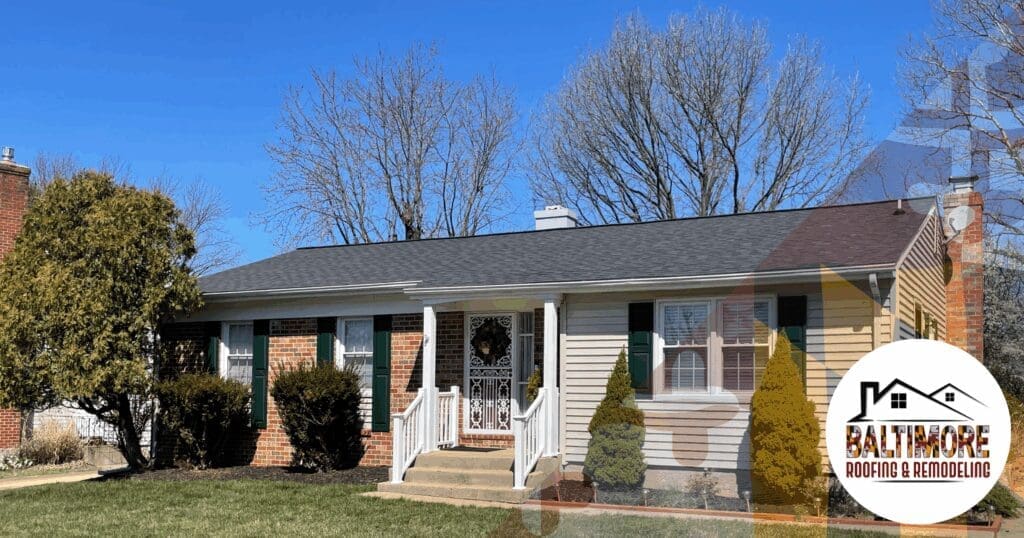
Most homeowners treat their house like a fragmented checklist. You assume that if the roof is leaking, you call a roofer. If the siding looks chalky and faded, you call a siding contractor. You split the jobs apart, wait a few years between projects to save money, and assume you are protecting your long-term property investment. However, this fragmented mindset creates a dangerous structural blind spot. In reality, water does not respect the artificial boundary between your roof and your exterior walls.
When property owners research whether to replace roof and siding at same time, they consistently discover that the exterior of a home operates as a singular, connected ecosystem. The shingles and the vinyl wall panels are not isolated components; they are two halves of the exact same weatherproofing machine. When you replace one and completely ignore the other, you create a massive vulnerability right at the exact intersection where they meet.
At Baltimore Roofing & Remodeling, we consider the fragmented upgrade approach an urgent financial risk. We operate as your actual neighbors, protecting communities across the region. We design our diagnostic protocols to secure the entire building envelope long before moisture penetrates your flashing and rots your wall framing in absolute silence.
Should You Replace Roof and Siding at the Same Time?
Yes, you should replace your roof and siding at the same time. Executing concurrent replacements guarantees properly integrated metal step flashing, ensures adequate attic ventilation through new siding soffits, prevents hidden moisture from rotting your wall framing, and eliminates the financial waste of paying double contractor mobilization fees. Let’s get you on the books for a free estimate today to get this crucial project started.



At a Glance: The Dangers of Fragmented Exterior Projects
- The Environmental Threat: Water aggressively migrates laterally. Roof runoff relies entirely on functional siding flashing components to keep moisture out of your vertical wall framing.
- The Critical Vulnerabilities: The exact intersection where a lower roofline dead-ends into a vertical siding wall represents the highest risk zone for structural rot on your entire Maryland property.
- The Structural Consequence: Ignoring old siding strangles the entire home. Your new roof needs to breathe, and its primary source of intake air comes directly from the perforated siding panels installed under your eaves.
- The Local Solution: Hiring dedicated local professionals to upgrade the entire envelope guarantees flawless structural integration and lowers your overall project costs across the entire state, from historic Baltimore City to the expansive suburbs of Howard County.
The Mechanics of the Building Envelope Phenomenon
To fully grasp the severe danger of isolating your renovation projects, you must understand how water physically behaves at architectural intersections. When planning any scale of exterior remodeling in Baltimore and beyond, homeowners frequently misjudge the complex physical dynamics of lateral moisture migration.
Why the Roof-Only Approach Penetrates Deeper
During a severe Maryland summer thunderstorm, rain hits your upper shingles with extreme force. The sheer velocity of the water cascades rapidly down the slope and crashes directly into the vertical walls of your home. Consequently, the water relies heavily on metal step flashing to securely bridge the gap between the edge of the shingles and the siding panels.
Here is the catch: The shingles do not magically fuse to the vinyl or fiber cement boards. To keep thousands of gallons of water from pouring down the inside of your living room drywall, a roofer must install step flashing. This bent metal weaves meticulously between each individual shingle and travels upward along the wall. However, that metal flashing must tuck securely behind the exterior siding to function correctly. Ultimately, this structural reality means the siding must be entirely removed or heavily altered to guarantee the new roof remains completely watertight over the next thirty years.
The Failure of Transient Subcontractor Shortcuts
Furthermore, your home just survived months of brutal thermal shock. When you hire a cheap, transient subcontractor to just slap on a new roof and ignore the siding, they run into a serious logistical problem at this exact wall intersection. Because your old siding remains nailed tightly to the house, the temporary crew cannot easily access the bare wall sheathing to properly replace the rusted flashing.
Instead of executing the hard, necessary work, they take a lazy shortcut. They pry the old, brittle siding back just enough to blindly slide new shingles underneath it. They mangle the existing metal flashing in the process, slather the messy gap with temporary roofing tar, and immediately walk away to their next job. When the persistent spring rain eventually arrives, it flows directly into these broken seals. It relentlessly soaks into the structural layers of your exterior walls, causing massive wood rot that remains entirely invisible from your front yard.
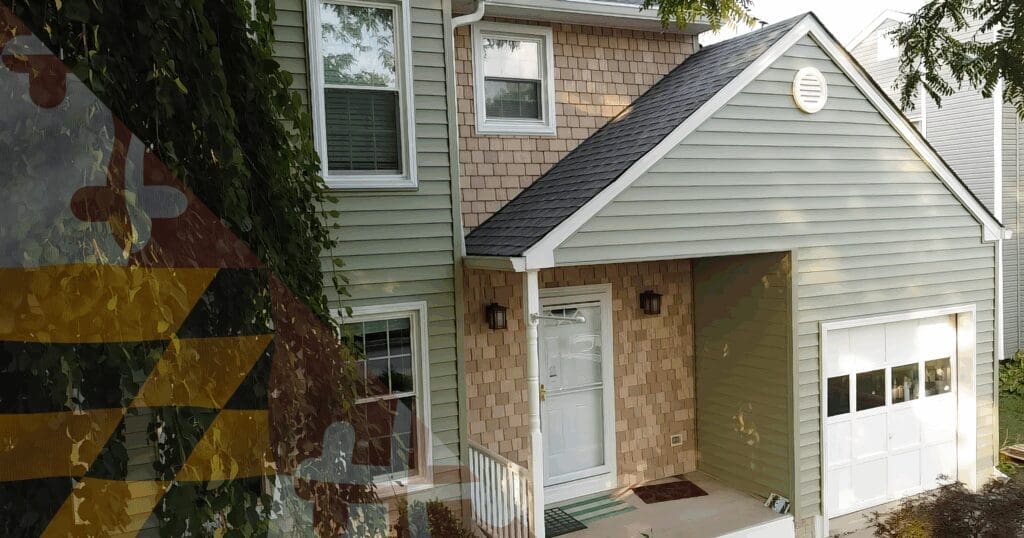
Common Exterior Synergy Failure Locations
Understanding the physics of water migration allows our diagnostic specialists to target specific structural weak points. When we execute a comprehensive residential roof inspection in Baltimore, we never waste time aimlessly walking the deck. Instead, we immediately aggressively stress-test the known envelope failure zones that heavily plague homes from Harford County out to Cecil County.
Failed Kickout Flashing at Siding Terminations
The termination point where a slanted roof edge meets a vertical wall represents a massive disruption to your home’s uniform water barrier. To waterproof this specific intersection, contractors install a highly specialized piece of angled metal called kickout flashing. This piece catches the water running down the wall and forces it out into the gutters. Unfortunately, inexperienced siding crews frequently remove or improperly install this piece because it complicates their vinyl panel measurements.
When the rain begins, massive volumes of water bypass the gutters entirely and channel directly down the exterior vinyl siding. Because the water aggressively sneaks behind the siding panels, the slow soak completely rots the surrounding wall framing, destroys your structural insulation, and introduces toxic mold spores without ever leaving a visible water stain on your interior ceiling.
The Condensation Crisis in the Soffits
The physical relationship between your roof and your siding is not just about keeping liquid water out. It is equally about letting fresh air in. A healthy, functional attic needs a ridge vent installed at the very peak to actively release superheated summer air and trapped winter moisture. But exhaust physically requires intake. If air cannot get into the attic, the hot, damp air cannot get out. Where does that vital intake air come from? It comes directly from your siding soffits.
If you live in an older home, there is a high probability your horizontal soffit panels lack adequate perforation, or multiple layers of exterior paint have completely sealed the vents shut. If you install a state-of-the-art roof but leave the choked-off, unventilated siding in place, you actively strangle the building. The resulting stagnation causes massive attic condensation. The trapped humidity bakes your brand-new shingles from the inside out, heavily warps your plywood decking, and instantly voids your manufacturer material warranties.
Degraded Window Capping and J-Channel
Every house features multiple windows penetrating the exterior siding envelope. Contractors seal these massive wall penetrations using custom-bent aluminum capping and specialized vinyl J-channel. Relentless UV radiation drastically accelerates the rapid deterioration of the caulking hidden behind these components. Consequently, the severe winter cold turns the aging sealants brittle, causing them to crack wide open.
When the driving rain falls heavily against the siding, the water rides the outside of the window framing directly into your interior wall cavities. Replacing the roof does absolutely nothing to stop this lateral wall intrusion. Only a comprehensive envelope replacement addresses the failing sealants around your home’s fragile windows and doors.
Material Synergy: Matching Lifespans for Long-Term Equity
One of the most severely overlooked aspects of property management involves actively matching the lifecycle of your building materials.
If you invest heavily in premium, dimensional asphalt shingles that carry manufacturer ratings to last 30 to 50 years, but you stubbornly leave 20-year-old, builder-grade vinyl siding on the walls, you create a massive equity imbalance. In exactly five years, when that old siding begins to visibly crack, aggressively fade, and permanently warp under the summer sun, it will completely drag down the overall curb appeal and eventual resale value of the property, regardless of how beautifully the new roof performs.
Furthermore, when the brittle siding inevitably fails and begins letting wind-driven moisture into the wall cavities, that moisture will migrate upward via capillary action directly into the roof deck. Upgrading the entire exterior envelope with perfectly matched, high-performance materials guarantees that the entire property degrades at the exact same rate. This unified strategy heavily protects your upfront capital investment for decades without requiring constant, fragmented maintenance calls.
The Historic Rowhome Reality: Masonry and Membrane Integration
This seasonal moisture threat severely impacts our urban clients as well. Properties tightly packed into historic districts face a highly unique structural challenge that standard suburban contractors rarely understand.
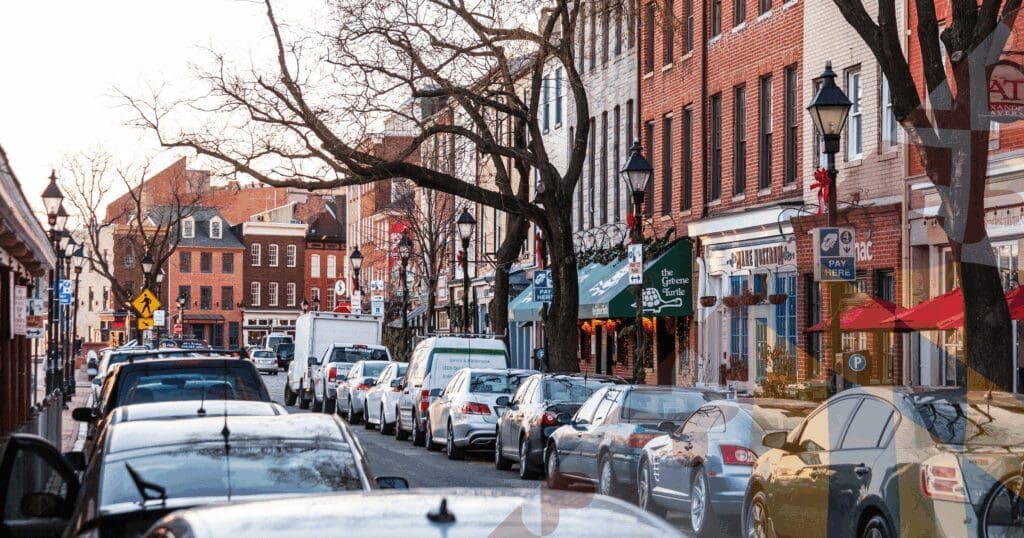
If you own a classic, historic rowhome in downtown Baltimore City, you deal with a very specific type of exterior envelope. Instead of vinyl siding, your exterior walls are composed of structural red brick. Instead of pitched asphalt shingles, you rely on a flat rubber membrane.
When the flat roof membrane meets the vertical brick parapet walls, the physical synergy becomes highly complex. If a rushed contractor improperly installs the metal termination bar or uses cheap, temporary sealant against the aging masonry, water rapidly travels laterally through the highly porous brick. To effectively protect these urban investments, our specialized technicians must master the precise, technical mechanics of flat roof systems. We aggressively inspect the coping metal covering the shared parapet walls and thoroughly test the masonry transitions. You must mandate these rigorous perimeter checks to successfully block lateral water intrusion from destroying your historic interior plaster walls.
Cost of Fragmented Exterior Repair Baltimore
Ignoring the early warning signs of a failing building envelope drastically multiplies your long-term financial liability. Catching a synergy failure early fundamentally changes the entire economic reality of the repair.
The Financial Math of Double Mobilization
Let’s talk directly about the money. In the construction industry, the operational term is mobilization. Every single time a contractor legally shows up to your house to execute a project, you pay for their logistical overhead. You pay for the massive dumpsters, the complex scaffolding, the county permit pulling, the heavy material delivery fees, and the grueling tear-down labor.
If you replace your roof today, and then decide to replace your siding two years from now, you guarantee that you will pay that massive mobilization fee twice. Furthermore, when the siding crew finally shows up later, they have to carefully pry up your relatively new, expensive shingles just to tuck the new siding panels underneath. This drastically increases the risk of heavily damaging the roof you just paid off. We highly recommend reviewing our comprehensive guide on the cost of roof repairs to properly understand the baseline pricing advantages for executing concurrent envelope upgrades.
Conversely, intelligent property owners leverage scale. By deciding to replace the roof and siding at the same time, the specialized crews only mobilize once. The heavy dumpsters are rented once. The new step flashing installs perfectly directly onto the bare wood, integrating the systems flawlessly. You transform a massive double capital expense into a highly efficient, single long-term investment.
Financing the Structural Envelope Upgrade
If an undetected wall leak has already heavily destroyed your home’s structural framing, we immediately pivot to flexible, realistic financial solutions. We actively secure robust home improvement financing to absolutely guarantee you can replace the failing siding and roof without completely liquidating your family’s emergency savings. By breaking the large capital cost into manageable, low-interest monthly payments, you instantly eliminate the active water intrusion and rapidly upgrade your property’s overall equity in one unified project.
The Insurance Reality in Prince George’s and Beyond
We cannot accurately discuss the exterior envelope without directly addressing the current homeowners insurance crisis. The aggressive threat of policy non-renewals for old shingles extends heavily to your aging siding.
If a severe summer storm rolls aggressively through Prince George’s County, high-velocity hail does not just hit the top of your house. Wind-driven hail blasts the vertical sides of your home, shattering brittle, 20-year-old vinyl siding into thousands of jagged pieces.
When you formally file an insurance claim, the assigned adjuster will inspect the entire property. If your siding is completely compromised, but your roof is vaguely deemed “repairable,” you are put in a terrible, highly frustrating position. The insurance company might cut a small check for the siding, but intentionally leave you with a 15-year-old roof that is actively leaking at the critical step flashing.
This is exactly where a unified contractor partner becomes your strongest financial asset. We do not look at storm damage roof repairs through a narrow, isolated lens. Our diagnostic audits meticulously document the lateral moisture migration, the compromised kickout flashing, and the wind-lifted shingles simultaneously. We fight hard to ensure the entire structural envelope is addressed, effectively preventing the insurance carrier from offering a cheap, fragmented payout that leaves your home dangerously exposed to the next weather event.
The Local Maryland Advantage vs. Private Equity
When homeowners finally discover a massive, hidden wall leak, sheer panic dictates their actions. Unfortunately, out-of-state corporate conglomerates completely exploit this fear to aggressively maximize their wall street profit margins.
Rejecting Fragmented Subcontractor Volume
Massive private equity firms rely entirely on cheap, transient subcontractor labor to finish isolated jobs as quickly as physically possible. They heavily rush the diagnostic phase, treat the roof and the siding as completely separate profit centers, and strictly utilize subpar flashing techniques. Ultimately, this shoddy, rushed craftsmanship guarantees that your new system will fail. When you finally understand the vast difference between local vs. corporate roofing companies, you quickly realize the transient subcontractor has already left the state long before your interior walls begin to rot.
Our Dedicated Local Commitment
We operate entirely differently. While out-of-state private equity firms systematically buy up local trades and totally gut their operational quality, we stubbornly hold the line for the property owners of Maryland.
We proudly protect homes and businesses across Baltimore City, Baltimore County, Anne Arundel County, Carroll County, Cecil County, Harford County, Howard County, Montgomery County, and Prince George’s County. Our leadership team brings a massive 140-year family history in the region to every single project we execute.
Therefore, we exclusively utilize dedicated, highly trained local W-2 professionals. We entirely reject the corporate subcontractor model. Instead, we deliver radical honesty, exact punctuality, and a stubborn commitment to flawless structural execution. We heavily encourage you to read about our deep roots in this state, and you will immediately understand why we flatly refuse to compromise on whole-home exterior quality.
Take Action Before the Summer Heat Arrives
You cannot control the unpredictable Maryland weather, but you possess absolute control over your property’s primary defense systems. Do not let the heavily fragmented renovation mindset lure you into a false sense of security. Splitting up your massive exterior projects aggressively dismantles your home’s structural envelope in absolute silence.
Stop waiting for the dark water stains to finally breach your living room drywall. When you secure a professional audit and an elite diagnostic team, you instantly replace passive anxiety with absolute, verified peace of mind. Moreover, you ensure that your entire home remains fully protected, compliant, and structurally sound long before the extreme humidity and violent thunderstorms of July completely arrive.
Contact Baltimore Roofing & Remodeling today to schedule your comprehensive exterior diagnostic evaluation. We will aggressively hunt down the hidden vulnerabilities, properly integrate your flashing systems, and permanently prove exactly why it is critical to replace roof and siding at same time.

Frequently Asked Questions: Roof and Siding Replacements
Is it cheaper to replace roof and siding at the same time?
Yes, it is significantly cheaper to execute both projects concurrently. When you hire one company to replace the entire envelope, you only pay for contractor mobilization, dumpster rentals, scaffolding setup, and permitting fees once. Splitting the projects forces you to duplicate these heavy overhead costs.
Do I absolutely have to replace my siding if I am getting a new roof?
No, it is not legally or structurally mandatory in every single case. If your siding was installed recently and the existing step flashing remains in absolutely perfect condition, a highly skilled roofing crew can carefully integrate new shingles without a full siding tear-off. However, if your siding is over 15 years old, brittle, or lacks proper kickout flashing, leaving it in place will heavily compromise the long-term waterproofing of the new roof.
Can new siding fix the condensation problem in my attic?
Yes, it is often the absolute primary cure for trapped moisture. The horizontal siding panels installed under your eaves (the soffit) serve as the main intake valve for your attic’s critical ventilation system. Upgrading to fully perforated, high-flow vinyl soffits during a siding project actively forces cool air into the attic, allowing the roof’s upper exhaust vents to properly expel hot, damp air before it causes black mold.
Will my homeowner’s insurance cover both the roof and the siding after a storm?
It depends entirely on your specific policy limits and the exact trajectory of the storm. High-wind events and heavy hail frequently damage both horizontal roof planes and vertical siding planes simultaneously. A qualified, local Maryland contractor will perform a comprehensive diagnostic audit to carefully document collateral damage on both systems, forcing the adjuster to evaluate the entire building envelope rather than just the top layer of shingles.
