
How Clogged Gutters Cause Roof Leaks: The Structural Rot Crisis
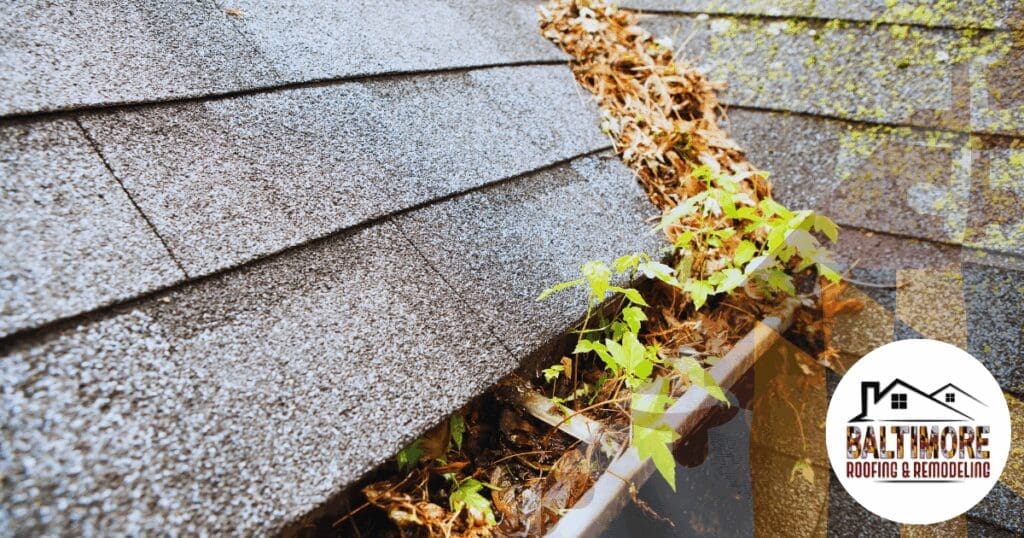
When Maryland property owners ask how clogged gutters cause roof leaks, they are usually looking for the source of a sudden interior water stain. While you might assume gutters only keep rain off the driveway, they actually act as a critical secondary moisture barrier for your entire roofline. When that system fails, it initiates a cascade of structural damage that travels from your eaves directly into your attic framing. Because our teams at Baltimore Roofing & Remodeling have been identifying and correcting these structural failures across the region since 1885, we recognize the early warning signs of eave decay that modern, transient contractors often miss.



The Anatomy of a Leak: Quick Summary
- The Debris Blockage: Organic matter creates a bottleneck, stripping the system of its designed drainage capacity.
- The Hydrostatic Backup: Rising water levels create intense localized pressure that bridges the gap between the metal trough and your roof edge.
- The Fascia Saturation: Stagnant water remains trapped against the fascia board, turning raw wood into a soft, porous pulp.
- The Internal Breach: Capillary action draws moisture beneath your shingles, leading to the delamination of your structural plywood decking.
Understanding the Mechanics of Water Backups
Understanding the exterior structural mechanics of your home remains critical to protecting your real estate equity. Gravity naturally forces heavy rainfall down your sloped planes directly into your open aluminum or copper troughs. When a system is blocked, it creates severe hydrostatic pressure at your eave line. Property owners can learn more about these preventative steps in our roof maintenance guide.
The Dangers of Hydrostatic Pressure
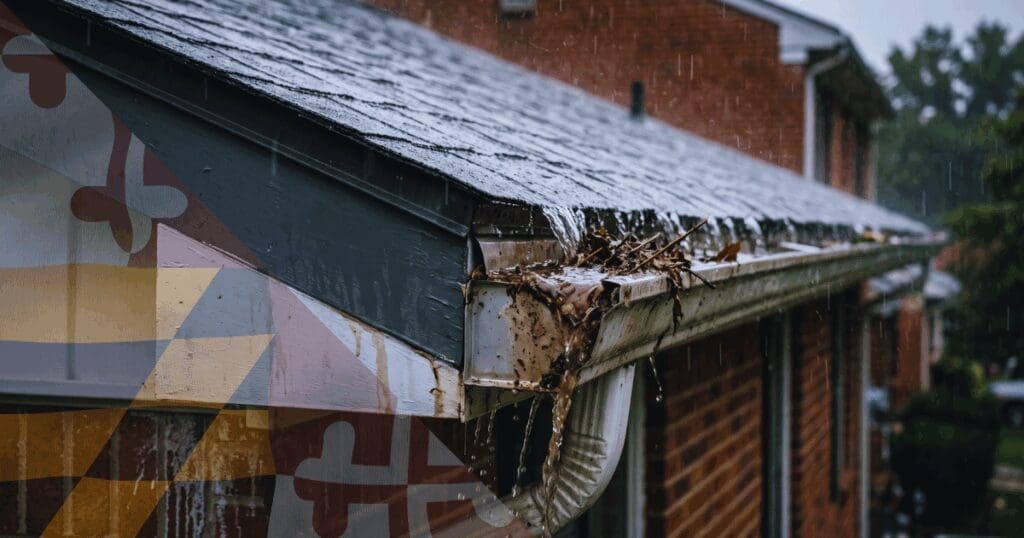
A heavy Mid-Atlantic downpour hits a blocked channel, rapidly filling the trough to its absolute maximum capacity. The water level reaches the top of the rear wall and cannot escape forward. The accumulating fluid creates intense hydrostatic pressure against the lowest edge of your roofline. Water pushes backward behind the metal drip edge flashing, which is a barrier not designed to hold back a standing, rising pool of water.
Capillary Action and Surface Tension
Water exploits the physics of adhesion and cohesion. In a full trough, the narrow gap between your shingles and the drip edge acts like a sponge. This capillary action sucks water upward, bypassing your primary weatherproofing. This is why spring roof leak detection in Maryland is a vital diagnostic service for preventing total eave failure.
Long-Term Structural Rot and Degradation
An exterior envelope relies on a sequential, overlapping layer of defense. Water backing up attacks these components from the bottom up, reversing the direction of protection and destroying the materials holding your gutter system together.
Fascia and Rafter Tail Destruction
The fascia board holds the weight of your gutter system. When water backs up, the board is permanently soaked, creating an environment that invites wood-destroying fungi. As the cellulose fibers break down, the board loses the grip on your gutter hangers. The system eventually sags and pulls away from the roofline, often requiring a residential roof inspection in Baltimore to determine if the rafters themselves have been compromised.
Decking Delamination
The lower three feet of your roof slope bear the highest volume of water. When water backs up behind the drip edge, it makes direct contact with the raw edge of your plywood decking. The wood swells, delaminates, and rots from the inside out. In cases where the damage has spread, you may need to replace roof and siding at same time to ensure a completely sealed exterior.
Professional Diagnostic and Repair Services
We reject the “guesswork” approach to roofing. A transient contractor might patch a hole, but they won’t address the structural rot beneath the surface. Our Baltimore County-based team executes rigorous audits—backed by our 140 years of local structural observations—to find hidden moisture sources before they lead to toxic mold growth or insulation failure.
- Emergency Audits: If you notice peeling paint, rusted soffit panels, or dark streaks on your siding, we provide storm damage roof repair in Baltimore to stop the active breach.
- Complex Restorations: For historic urban properties, we address flat roof ponding water in Baltimore where clogged scuppers can threaten the entire structural ceiling joist system.
- Regional Accountability: We serve the entire region, from Columbia to Silver Spring, with vetted local crews who understand the specific stresses of our Maryland climate.
Secure Your Exterior Envelope Today
Do not wait for interior water stains to address drainage failures. Sub-structural rot works silently until a violent thunderstorm exposes the weakened framework. If you suspect your home has been compromised, contact us immediately for an emergency 48-hour diagnostic audit. Our experts will hunt down the moisture source before the next major storm strikes. Whether you are in Towson or Frederick, explore our comprehensive gutters services to secure your property today.

Frequently Asked Questions
How exactly does water flow upward under shingles?
Water uses capillary action and surface tension to climb upwards. A clogged gutter causes water to pool against the metal drip edge. The tight space between the drip edge and the starter shingle acts like a straw, drawing the standing water up the roof slope.
Can I just clean my gutters once a year?
No. Maryland’s climate requires at least two cleanings—one for spring debris and one for autumn leaves. One cleaning leaves your home exposed to the major seasonal shifts that cause the most common drainage bottlenecks.
Does homeowners insurance cover damage from clogged gutters?
Almost never. Most insurance adjusters classify damage from clogged gutters as a “maintenance failure” rather than an unavoidable storm event. You are generally responsible for the repair costs associated with this type of rot.
How do I know if the wood behind my gutters is rotted?
Look for gutters pulling away from the wood, peeling paint on your trim, or dark streaks on the side of your home. If you hear creaking or popping sounds during high winds, the fascia board and rafter tails may already be structurally compromised.
What does a rotted roof edge sound like during a storm?
You might hear an unusual creaking or popping sound from the roofline during high winds. This indicates the fascia board and rafter tails have softened to the point where they are moving independently of the structural frame. If you hear this, book an inspection immediately.
Can I see signs of gutter damage from the ground?
Yes. Use binoculars to look for sagging in the center of the run, debris overflowing the outer lip, or paint peeling on the wood directly behind the gutter system. If you see these signs, the internal wood is already likely retaining moisture.
Will gutter guards prevent roof leaks?
Gutter guards prevent large debris from entering the system, which reduces the frequency of manual cleanings. However, they do not stop fine silt or organic sludge from accumulating over time. You must still perform periodic inspections to ensure your drainage remains clear.
How much water can a clogged gutter hold before failing?
A single linear foot of standard seamless gutter can hold nearly a gallon of water. During a heavy storm, a blockage can cause dozens of gallons to accumulate, exerting massive weight on the fascia boards and forcing water into the sub-roofing materials.
Does a flat roof have different gutter risks?
Yes. Flat roofs typically rely on internal or external scuppers. If these become obstructed, the roof essentially becomes a pond. Because there is no pitch to shed the water, the standing weight can cause severe structural joist deflection and internal ceiling collapse.
