
Flat Roof Repair vs. Replacement in Baltimore: Essential Decisions for Your Rowhouse

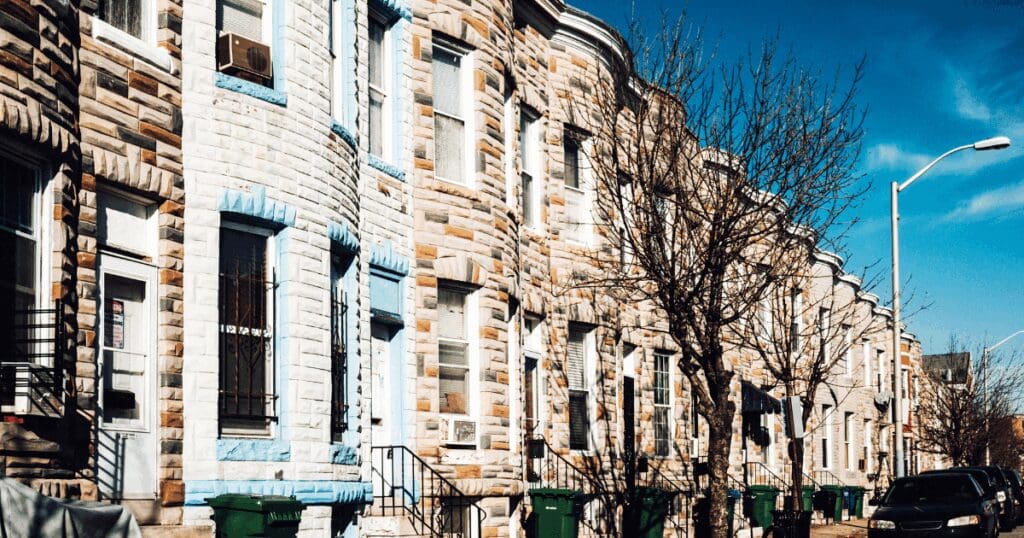
If you own a Baltimore rowhouse, townhome, or a multi-unit building, you likely have a flat (or low-slope) roof over the kitchen extension, deck, or main living area. Unlike the pitched shingle roofs of the suburbs, these flat surfaces are constantly challenged by Baltimore’s unique blend of humidity, intense sun, and freezing winters. When you spot a water stain or feel dampness, you immediately face a tough decision: should you opt for a simple flat roof repair vs. a replacement in Baltimore? This choice is critical — a quick fix might save money now, but a full replacement could prevent catastrophic water damage and secure your home for decades. This guide by Baltimore Roofing & Remodeling walks you through the tell-tale signs, cost factors, and structural considerations specific to residential flat roofs in our city.
Part I: Diagnosing the Problem: Repair vs. Replacement Indicators
The first step in any roofing crisis is a clear, objective diagnosis. Homeowners often mistake the appearance of a leak for the location of the damage. Water is notoriously difficult to trace on a flat roof; it can enter through a tiny pinhole and travel dozens of feet laterally before finally dripping through the ceiling. A professional inspection for a flat roof repair vs. a replacement in Baltimore is designed to find the point of origin, but understanding the indicators that guide the repair vs. replacement decision is your responsibility as the property owner.
Factors That Favor Flat Roof Repair
Repair is the intelligent choice when the problem is localized and the rest of the roofing system is fundamentally sound.
- Isolated Puncture or Tear: This is the most straightforward repair scenario. If the membrane has been compromised by mechanical damage — a sharp object dropped during maintenance, accidental damage from rooftop activities, or severe hail impacting an older surface — and the surrounding area is intact, a simple patch is recommended. A proper patch, correctly adhered and sealed, should last for many years.
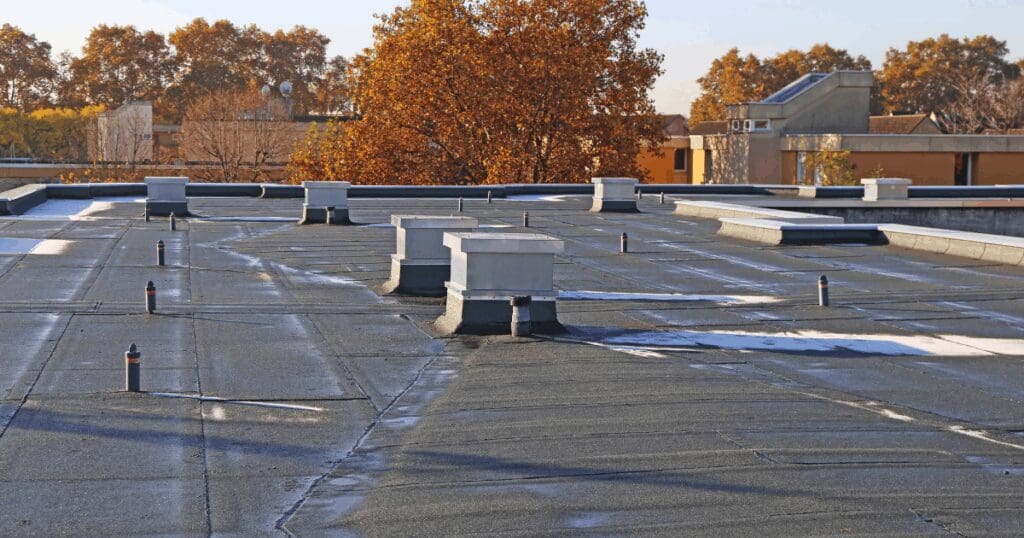
- Failing Flashing and Sealants: Flat roofs have dozens of vulnerable points: pipe vents, plumbing stacks, skylights, satellite dish mounts, and the edges where the roof meets a vertical wall (parapet or chimney). The seals around these points rely on caulk and specialized flashing, which degrade faster than the main membrane due to constant thermal movement. Repairing these areas — replacing the sealant and potentially the flashing — is essential maintenance, not a sign of system failure.
- Recent Installation (Under 10 Years Old): A roof that is less than halfway through its expected lifespan almost always warrants repair, provided the issue isn’t traced back to a catastrophic installation error. Repairs help you maintain the validity of your existing labor and material warranties.
- Minor Ponding Damage: While chronic ponding water is disastrous, if a temporary obstruction (like a leaf pile after heavy rain) caused localized, minor damage to the membrane coating, a small repair and drain cleaning is appropriate. Immediate action must also be taken to ensure proper drainage by focusing on the importance of gutter installation in Baltimore.
Factors That Force Flat Roof Replacement
Replacement is necessary when patching is futile — when the roof’s structural or systemic integrity is compromised.
- Widespread Membrane Fatigue: This is signaled by multiple blisters (pockets of air or water trapped beneath the surface), extensive cracking, or alligatoring (a grid of tiny, interlocking cracks). These symptoms mean the material has lost its elasticity and waterproofing capabilities across the entire surface due to UV radiation and thermal cycling. Patching 50 blisters only ensures 50 more will appear elsewhere next month.
- Saturated Substrates: This is the definitive death sentence for a flat roof. Flat roofs are built in layers, and water that penetrates the membrane will soak the underlying insulation. Wet insulation loses its thermal efficiency, turning your roof into a massive energy-waster and holding moisture against the decking. This water cannot escape and leads to wood rot, mold, and structural compromise. Only an infrared moisture survey can confirm this, but if your contractor finds evidence of saturated materials, replacement is non-negotiable.
- Repeated Repair Cycles: If you find yourself calling a roofer every year, spending money on patches that simply chase the leak across the roof deck, you’re in a reactive cycle that drains your savings. When the total annual repair cost starts exceeding 30-40% of the price of a full replacement, replacement becomes the smarter fiscal decision. You’re better off investing that money into a guaranteed 20+ year solution. The overall cost of roof repairs in Baltimore should be a clear metric guiding this decision to choose between a flat roof repair vs. a replacement in Baltimore.
Part II: Flat Roof Lifespan and System Selection
Understanding the expected flat roof lifespan for a residential property is fundamental to capital planning. The lifespan is dictated by the material, the quality of installation, and — critically— the climate of the Chesapeake region.
Residential Flat Roof Lifespans in Baltimore
| Material Type | Typical Lifespan (Years) | Key Factors Affecting Lifespan | Notes for Homeowners |
| EPDM (Rubber) | 20 – 30+ Years | Excellent resistance to UV and freezing temperatures. Longevity is dependent on the quality of seam adhesion and perimeter flashing integrity. | Highly durable, often the longest-lasting option. The black surface absorbs heat, but can be treated with reflective coatings. |
| TPO (Thermoplastic Olefin) | 15 – 25 Years | The white, reflective surface reduces summer heat gain, which protects the material from extreme thermal stress. The thickest membranes (60-mil) last longest. | Great for energy efficiency and reducing AC costs. Vulnerable to punctures from heavy foot traffic on rooftop decks. |
| Modified Bitumen (Mod Bit) | 15 – 20 Years | Prone to alligatoring (surface cracking) due to the intense freeze/thaw cycles and high heat absorption in the summer. | A multi-layer asphalt system. Good puncture resistance, but requires diligent maintenance to prevent UV degradation of the granular surface. (hot/cold shifts). |
| Built-Up Roof (BUR – Gravel/Tar) | 20 – 30 Years | Lifespan is maintained only with regular re-coating of the top pitch/gravel layer. Vulnerable to large blisters forming over time. | Less common today due to weight and labor costs. Difficult to repair because leaks are hard to locate beneath the gravel. |
Selecting the Right Material for Replacement
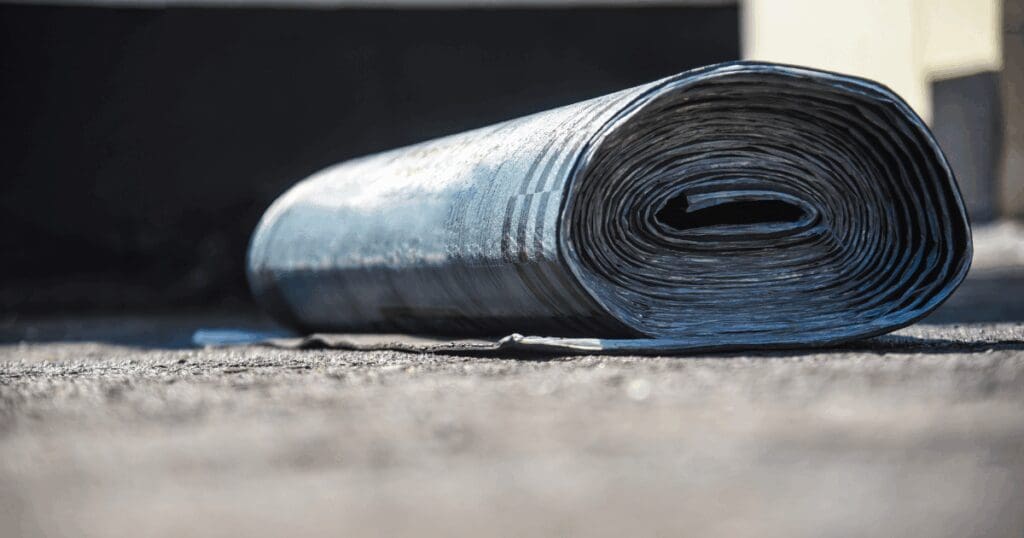
When faced with a full replacement, you have a crucial opportunity to upgrade to a system better suited for your home. While older Baltimore rowhouses may have classic BUR or modified bitumen, most modern installations now favor single-ply membranes:
- TPO: Excellent for energy efficiency. The white, reflective surface dramatically reduces the roof deck’s temperature in the brutal Baltimore summer, leading to lower air conditioning bills. This material is environmentally friendly and highly resistant to fire and chemical exposure.
- EPDM: The black rubber material is highly durable and flexible, resisting hail and puncture damage exceptionally well. While it absorbs more heat, it can be coated with a reflective top coat to mitigate summer heat. EPDM’s longevity makes it a favorite for homeowners seeking the longest-term solution.
Understanding the pros and cons of these materials is crucial before making a selection. Our comprehensive guide on flat roof systems in Baltimore, MD offers detailed material comparisons.
Part III: The Cost To Replace Flat Roof and Financial Strategy
The cost to replace flat roof systems is a major capital investment for a homeowner, but when amortized over 20-30 years, it is far more cost-effective than continuous leak remediation.
Breaking Down the Replacement Expense:
- Tear-Off and Disposal (The Hidden Cost): This is the most complex part of a residential job. Labor is needed to safely remove the old roofing material, often involving tight access, alleyways, and street permits unique to city properties. If multiple layers exist (a common occurrence when prior homeowners opted for layovers instead of full removal), this cost escalates.
- Deck and Structural Repair: This is often the biggest variable. If a moisture survey or visual inspection reveals the decking is rotten, that damaged wood must be replaced before the new system is installed. A compromised deck means a compromised structure.
- Insulation and Ventilation Upgrade: While a necessity, this adds to the material cost. Modern building codes require higher R-values for insulation than a 30-year-old roof had. This is a vital investment, as proper insulation and the importance of roof underlayment and ventilation are essential to preventing future moisture issues.
- Premium Installation Labor: Flat roofs are all about precision. Every seam must be perfect, and every penetration must be watertight. The labor for this highly technical work is more expensive than laying asphalt shingles (for which you might want to compare the different types of asphalt shingles).
Long-Term Value and Warranty Reset
A full replacement provides three critical financial benefits:
- A Full Warranty Reset: A new system comes with a new, comprehensive manufacturer and labor warranty, often for 15 to 30 years. This guarantees your investment. Repairs, in contrast, often only guarantee the small patch itself. It’s crucial to know the full extent of this new protection by understanding your new roof warranty.
- Massive Energy Savings: The upgrade in modern insulation alone can lead to tangible monthly savings on your energy bill, especially during peak summer and winter months.
- Peace of Mind: Eliminating the chronic stress and unpredictable cost of constant leak repairs is the best long-term financial strategy. You shift from a reactive, crisis-driven maintenance budget to a stable capital improvement plan.
Part IV: The Final Strategic Decision
The best approach to deciding between a flat roof repair vs. replacement in Baltimore is to move from reactive crisis to proactive planning.
The 48-Hour Rule: The Telltale Sign of Catastrophe
Any water remaining on your flat roof 48 hours after a rainfall is considered ponding water and is accelerating the failure of your membrane. While cleaning out the gutters and drains can help temporarily, chronic ponding often signals a structural issue (insufficient slope or deck deflection). If you are battling recurring ponding, the roof is structurally failing, and full replacement is necessary.
Expert Inspection is Mandatory
Do not rely on a visual estimate from a general contractor. The residential flat roof decision requires a specialist. A qualified residential roof inspection in Baltimore uses tools like moisture meters and infrared cameras to expose the hidden damage (saturated insulation) that determines if a simple patch is enough, or if replacement is the only responsible choice.
Ultimately, if your roof is over 15 years old, has a history of leaks, and shows any sign of widespread membrane fatigue or structural softness, it is time for a replacement. While the upfront cost is significant, delaying the inevitable only increases the risk of much costlier interior damage, liability issues, and emergency repairs down the road. The final decision of when to replace your roof is a choice to secure your home’s future.
If your Baltimore flat roof is causing stress, contact Baltimore Roofing & Remodeling for an expert, diagnostic assessment to secure your home with a long-term, warranted solution.
